
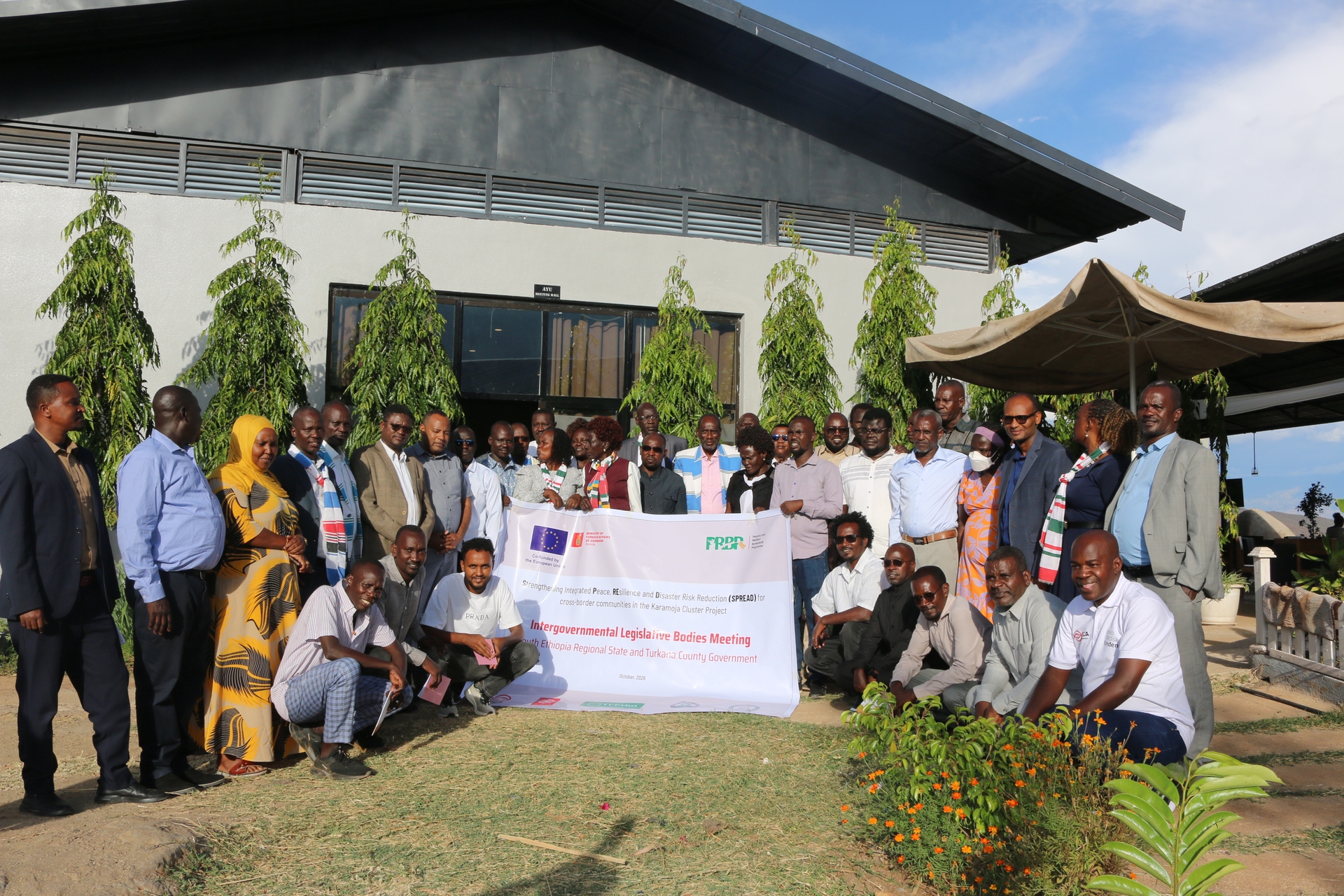
In Ethiopia, Kenya and South Sudan, government representatives and legislators are working to translate community-led peace agreements into policies and commitments that can strengthen peaceful coexistence, protect pastoralist livelihoods and build resilience across borders.
Arba Minch, Ethiopia | 29-30 September 2026
For pastoralist communities living along the borders of Ethiopia, Kenya and South Sudan, access to water and grazing land can determine whether families sustain their livelihoods or face another season of uncertainty. When drought dries water sources and pasture becomes scarce, communities move in search of survival. These movements can bring neighbouring groups into competition, deepening tensions over resources that have sustained their livelihoods for generations.
Yet the same communities share much more than a border. They share languages, cultural traditions, markets, livestock routes and longstanding social relationships that offer a foundation for cooperation.
Recognising both the challenges and opportunities of this interconnected landscape, DanChurchAid (DCA), through the SPREAD project, convened a Legislative Caucus Meeting in Arba Minch, Ethiopia, on 29–30 September 2026. Government officials and legislators from Ethiopia and Kenya gathered to review and advance cross-border peace resolutions developed through earlier engagements in Nairobi, Turmi and Kakuma.
The meeting focused on a critical question: how can agreements reached through dialogue become lasting commitments, supported by legislation, government institutions and practical action?
For participants, the answer lies in connecting community voices with political leadership, addressing the pressures that drive conflict and ensuring that peacebuilding delivers tangible benefits for the people living along the borders.
Addressing the root causes of conflict
For Hon. Charles Lokioto, Head Speaker of the Turkana County Assembly, understanding cross-border conflict begins with understanding pastoralist livelihoods.
“When climate change affects availability of water or grazing land, that causes them to move in search of survival. These movements often result in conflict,” he explained.
For pastoralist households, livestock are not simply an economic asset. They are central to food security, income and the ability to meet essential needs, including education and healthcare.
As Lokioto emphasised, “For pastoralists, livestock means life, food, medicine, education, and a lot more.”
When drought and resource scarcity threaten livestock, the consequences extend beyond the loss of animals. They can undermine household security, intensify competition over shared resources and put relationships between neighbouring communities under pressure.
Addressing these challenges therefore requires more than responding to violence when it occurs. It means tackling the underlying conditions that make conflict more likely.
Hon. Lokioto highlighted livelihood diversification, economic cooperation, shared markets, social infrastructure and accountable governance as important elements of a sustainable approach to peace.
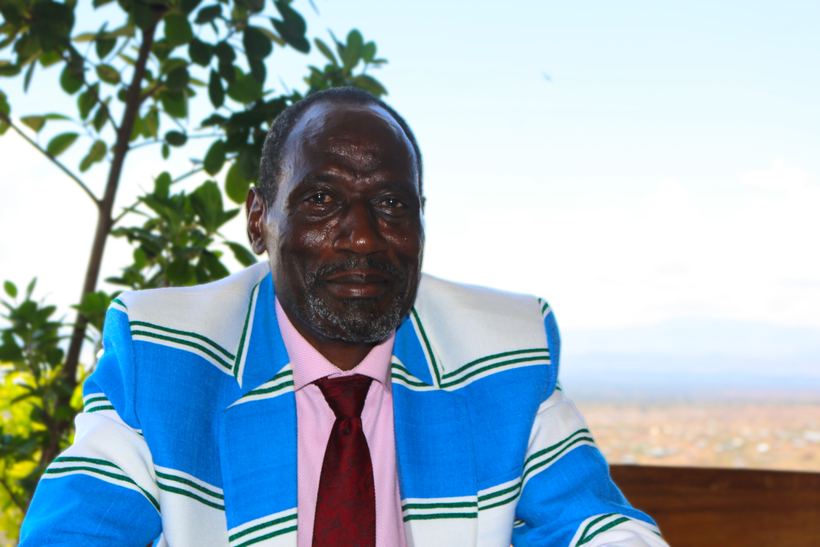
His perspective reflects the broader approach of the SPREAD project, which combines peacebuilding with resilience, food security, entrepreneurship and disaster risk reduction. By addressing livelihood pressures alongside conflict prevention, the project seeks to support communities in managing shared challenges and reducing the risks of recurring tensions
From community agreements to government action
Across the South Omo–Turkana–Eastern Equatoria corridor, communities and local peace actors have long worked to resolve disputes and strengthen peaceful coexistence. Earlier dialogue processes held in Nairobi, Turmi and Kakuma brought together community elders, peace committee members and government representatives to develop shared understandings on grazing rights, access to water and mechanisms for resolving conflict.
However, community-level agreements need institutional support if they are to achieve lasting results.
The Arba Minch Legislative Caucus was convened to help bridge this gap. By bringing together senior officials and legislators, the meeting created an opportunity to review existing resolutions, refine their provisions and identify the legal, policy and administrative measures required to advance them.
This connection between dialogue and governance is essential. Agreements must not remain statements of shared intentions; they need to inform decisions, institutional responsibilities and follow-up action.
The meeting therefore provided a platform for the participating delegations to examine the resolutions together, discuss their respective priorities and work towards a common framework for advancing cross-border peace.
The task ahead is to ensure that the resulting commitments are taken forward through the appropriate government structures in each country.
Dialogue that rebuilds trust
For Hon. Alemayehu Baude, Head Speaker of the South Ethiopia Regional State Council, the social and cultural ties between communities in Ethiopia and Kenya offer an important foundation for peaceful coexistence.
“Communities across the border share languages, lifestyles and traditions”, Hon. Baude says. Yet disputes over water, grazing land and fishing activities around Lake Turkana and Omo river, alongside limited economic opportunities for young people, continue to place pressure on these relationships.
Hon. Baude believes dialogue is central to overcoming these divisions. “Dialogue goes more than halfway in preventing conflict. Dialogue creates trust,” he said.
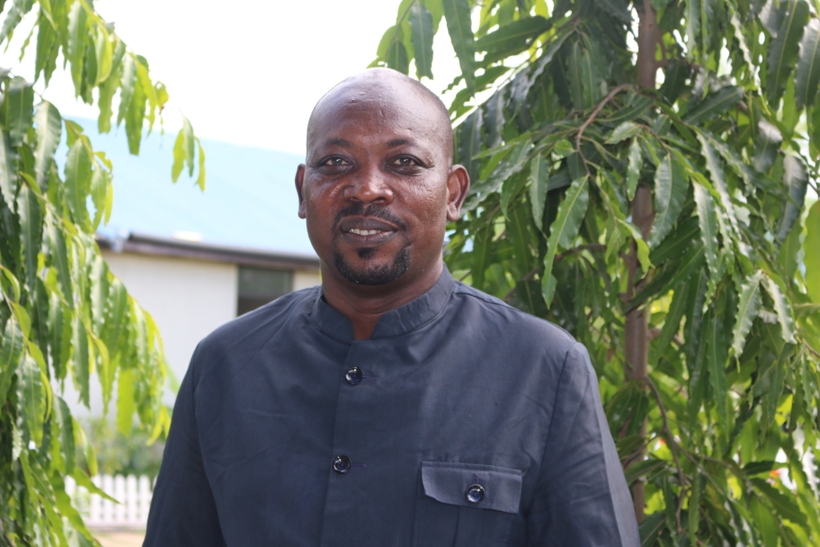
He added that trust requires opportunities for communities and their representatives to engage, understand one another’s concerns and identify common ground. It also requires recognizing that peace cannot be sustained through inter-governmental agreements alone; it must be reflected in relationships between people.
Baude highlighted social interaction, including sports and cultural celebrations, as ways to strengthen connections between communities. He also stressed the importance of indigenous approaches to peacebuilding, enabling communities to take ownership of solutions that reflect their local realities.
As he explained, legislators have an important role in supporting these efforts through policy and legislation.
The SPREAD project has helped create opportunities for communities to engage through Community Action Groups (CAGs) and facilitated peace dialogues. According to Baude, these efforts have contributed to a reduction in the frequency of conflict and supported peaceful resolutions when disputes occur, including negotiations that have enabled stolen livestock to be returned.
Such experiences demonstrate the value of combining local mechanisms for resolving disputes with wider institutional support.
Women must be part of the peace process
While conflict affects entire communities, its consequences are not experienced equally. Women, children and people with disabilities can face heightened vulnerabilities, while the effects of drought and resource scarcity often place additional burdens on women.
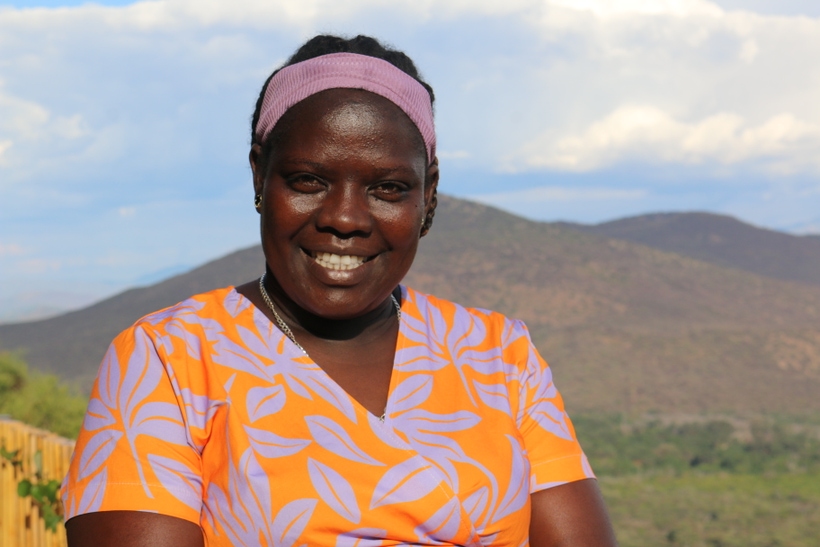
Goba Ngalaman, Head of the South Omo Zone Women and Social Affairs Bureau, highlighted the particular impact of conflict on women and children. Women may lose their husbands, face difficult social and economic circumstances and shoulder greater responsibility for their families. During drought, the need to travel long distances to collect water can further increase their burdens.
For Ngalaman, these realities make women’s participation in peacebuilding essential.
“It is important to ensure that women are included in peacebuilding efforts in order to be able to bring about change,” she said.
She also pointed to the complex role women can play in conflict dynamics, noting that traditional practices have sometimes encouraged men to engage in violence. This makes it important to work with women not only as people affected by conflict, but also as participants who can help change attitudes and strengthen peaceful relationships.
Through its Community Action Groups, SPREAD promotes the participation of women in local peacebuilding structures and supports capacity-building on conflict prevention and management.
Ngalaman stressed that lasting solutions must be adapted to the realities of the communities they are intended to serve. Working with government representatives and institutions responsible for policy implementation is therefore important to ensure that peace-building approaches are both locally relevant and institutionally supported.
She also underscored the importance of women’s economic empowerment and collaboration with regional governance structures, including the Intergovernmental Authority on Development (IGAD), to strengthen accountability in cross-border policy implementation.
Her perspective reinforces an important principle: sustainable peace requires inclusive decision-making and attention to the different ways conflict affects people’s lives.
Turning shared borders into bridges for prosperity
Peace is more likely to endure when communities have opportunities to build secure livelihoods and benefit from cooperation.
For Jane Rose Tioko, Turkana County Government’s Chief Officer for Partnership and Donor Coordination, the experience of the SPREAD project illustrates how practical cooperation can help strengthen relationships between communities.
DCA, together with its implementing partners, including Caritas Catholic Ethiopia (CCE) and Turkana Pastoralist Development Organization (TUPADO), has supported the establishment of Community Action Groups, facilitated peace dialogues, and strengthened livelihoods through income-generating initiatives, including support for the fish value chain and the development of common markets.
These interventions have contributed to improved relations among Turkana, Dassenech, Nyangatom and Topossa communities.
“The SPREAD has shown us that shared borders can become bridges for peace and economic development,” Tioko said.
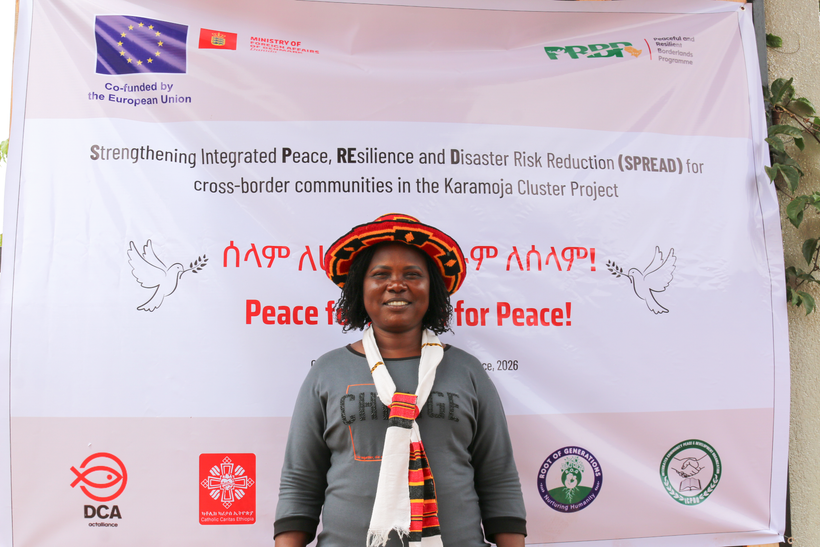
Her remarks highlight the relationship between peacebuilding and economic opportunity. When communities can trade, develop livelihoods and benefit from shared markets, cross-border interactions can become a source of cooperation rather than competition.
However, sustaining these gains requires collective effort. Government institutions, development partners and communities must continue to work together, align their priorities and mobilise the resources needed to support lasting change.
As Tioko noted, government stakeholders need partners willing to pool resources and work together to support communities.
The legislative caucus offered an opportunity to strengthen this wider cooperation by bringing political and administrative leadership into a process that began with community-level dialogue.
From commitments to lasting change
The Arba Minch Legislative Caucus marked an important stage in efforts to advance cross-border peace resolutions involving Ethiopia, Kenya and South Sudan.
By reviewing the resolutions developed through earlier engagements, negotiating a common text and identifying pathways for country-level follow-up, the meeting sought to strengthen the link between community-led peacebuilding and formal government action.
But the significance of the process will ultimately depend on what happens next: how commitments are communicated to the relevant institutions, how necessary legal and policy measures are advanced, and how governments maintain coordination across borders.
For communities whose livelihoods depend on shared natural resources, the stakes are tangible. Peace means being able to move in search of pasture and water, trade without fear, protect livestock and sustain relationships with neighboring communities. It also means ensuring that women, young people and other groups have a meaningful role in shaping the decisions that affect their futures.
Through SPREAD, DCA and its partners are working to connect these community priorities with broader efforts to strengthen resilience, prevent conflict and improve cooperation across the region. The message emerging from Arba Minch is clear: lasting peace cannot be built through dialogue alone, nor can it be sustained by security measures in isolation. It requires responsive institutions, inclusive leadership, resilient livelihoods and a shared commitment to turning agreements into action.
Lasting peace requires responsive institutions, inclusive leadership, resilient livelihoods and a shared commitment to turning agreements into action.
About SPREAD
Implemented across the larger Karamoja Cluster which includes Turkana in Kenya, Eastern Equatoria in South Sudan, and South Omo in Ethiopia, the Strengthening Peace, Resilience, And Disaster reduction for cross-border communities in the Karamoja Cluster (SPREAD) project works to strengthen the capacity of communities to design and lead local, inclusive initiatives.
Funded by the European Union and Danida, the project aims to address cross-border conflict dynamics while supporting improved livelihood opportunities for communities living in the borderland areas.

