
The Issue
The Sebungwe landscape of Binga and Nyaminyami districts is home to important wildlife corridors that connect protected areas. However, these ecosystems are under increasing pressure from habitat loss, deforestation, unsustainable use of natural resources, climate change, and rising human-wildlife conflict.
Wildlife populations have declined significantly, while communities living near the conservation areas continue to face poverty, food insecurity, limited livelihood opportunities, and frequent losses caused by wildlife damaging crops, livestock, and property.
At the same time, many communities have not benefited sufficiently from past conservation efforts, reducing incentives to protect natural resources. Women, young people, people with disabilities, and Indigenous communities often face additional barriers to participation in decision-making and economic opportunities.
The barriers include partriarchal social norms, lack of infrastruture to link them to active economic zones, low literacy level and historical exclusion from development planning.
Climate change is further increasing vulnerability through droughts, unpredictable rainfall, and declining agricultural productivity.
The Project
The project addresses these interconnected challenges by promoting community-led conservation, fostering coexistence between people and wildlife, strengthening local livelihoods, and improving the sustainable management of natural resources. The project aims to create a landscape where people and wildlife can thrive together while building more resilient and prosperous rural communities.
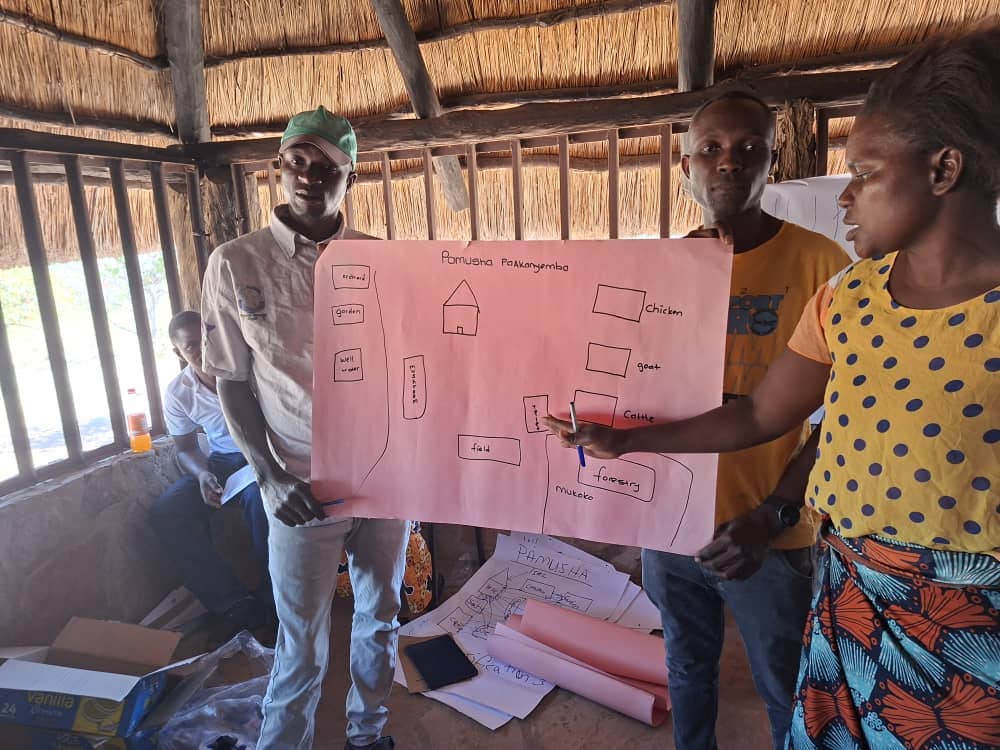
The project is restoring important wildlife corridors, protecting forests and wetlands, and improving the sustainable use of natural resources. It is also helping communities reduce crop losses, livestock attacks, and other wildlife-related challenges through practical solutions such as constructing animal pens that protect livestock from wild animals, protective fencing, early warning systems, and community wildlife monitoring.
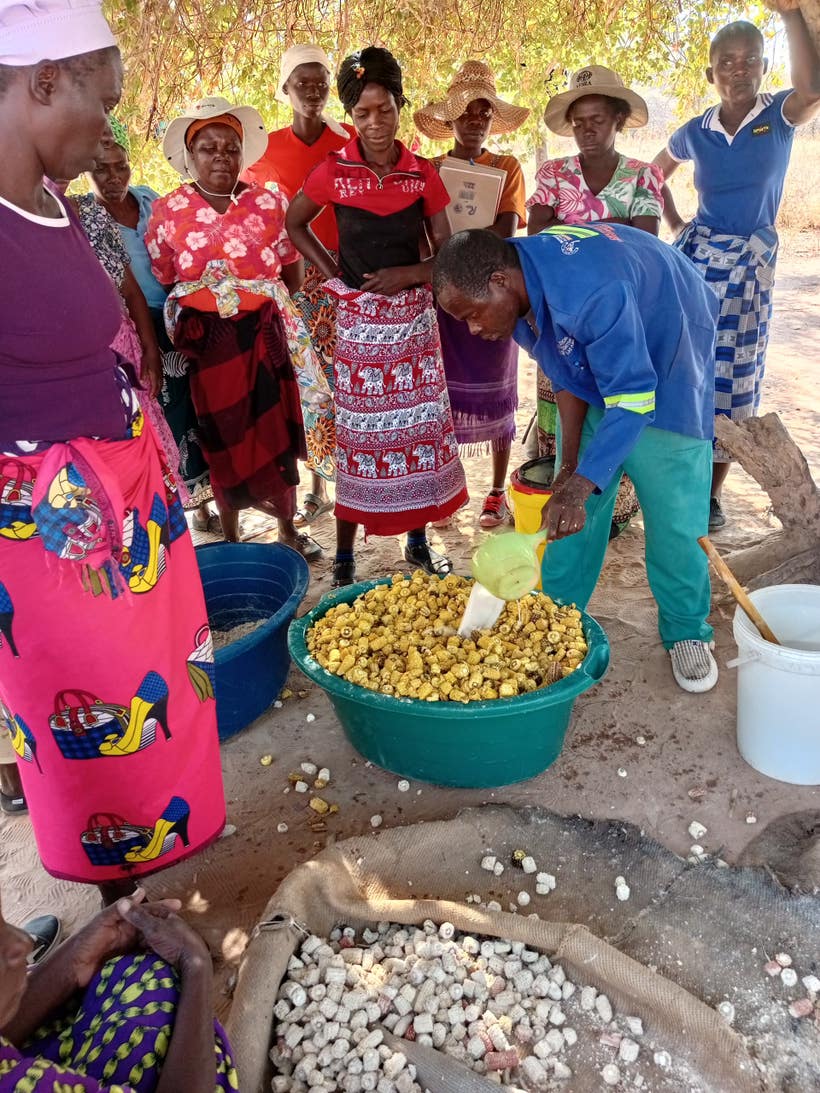
To strengthen household incomes and food security, the project also supports sustainable businesses in agriculture, fisheries, beekeeping, tourism, and non-timber forest products. Communities are receiving training, access to processing and storage facilities, and support to connect with markets.
Women, young people, Indigenous communities, and people with disabilities are being actively included in leadership, decision-making, and livelihood opportunities.
The Change
By combining conservation, livelihood development, and community leadership, the project is creating a future where people, wildlife, and natural resources can thrive together.
More than 21,500 rural households are expected to benefit from improved livelihood opportunities, better management of natural resources, and reduced losses caused by wildlife.
Important wildlife corridors are being restored; strengthening community conservancies so that local people can play a greater role in protecting wildlife and managing natural resources. There is improved protection of natural habitats, ensuring safe movement of wildlife across the landscape, and biodiversity will be conserved for future generations.
Our Partners
DCA works with three partners to implement the project:
Matusadona Conservation Trust (MCT) is the lead national partner and manager of Matusadona National Park. It brings extensive expertise in wildlife conservation, human-wildlife coexistence, protected area management, and community engagement.
MCT leads corridor restoration, community conservancy development, wildlife monitoring, species recovery, and conservation-based tourism initiatives in the project area.

Centre de Coopération Internationale en Recherche Agronomique pour le Développement (CIRAD) is a technical partner with extensive experience in community-based conservation, land-use planning, wildlife corridor management, and participatory natural resource governance.
Building on its successful work under the Sustainable Wildlife Management Programme, CIRAD provides expertise in community conservancy development, landscape planning, human-wildlife coexistence, and environmental monitoring.
Fambidzanai Permaculture Centre (FPC) is a national technical partner specialising in agroecology, sustainable agriculture, food security, and climate resilience.
The organisation supports communities to adopt environmentally sustainable farming practices, strengthen local food systems, improve household incomes, and develop market opportunities that are compatible with conservation objectives.
About the project
Full title: Biodiversity, Resilience & Inclusive Development for Growth, Equity & Sustainability (BRIDGES)
Timeline: February 2026 to March 2029
Amount: EUR 6,1 million
Partners:
Matusadona Conservation Trust (MCT)
Fambidzanai Permaculture Centre (FPC)
Centre de Coopération Internationale en Recherche Agronomique pour le Développement (CIRAD)
Expected number of people reached: 12,600
Donor: European Union
