
The Issue
Communities in Binga, Nyaminyami, Hurungwe, and Mbire districts of Zimbabwe face increasing challenges from droughts, floods, and unpredictable rainfall, making it harder for families to grow food and earn a living from farming. Most farmers rely on rain-fed agriculture, leaving them vulnerable to changing weather patterns and poor harvests. At the same time, limited access to markets, poor infrastructure, energy shortages, and declining soil and forest health reduce productivity and income opportunities. Energy shortages, unreliable fuel supplies, and limited cold-storage facilities further increase post-harvest losses and reduce productivity. Women, who provide much of the agricultural labour, face additional barriers in accessing land, resources, and markets.
The Project
The project works to strengthen climate resilience, promote sustainable farming and natural resource management, improve market access, and create greener economic opportunities. By supporting farmers, especially women and vulnerable households, the project aims to improve food security, increase incomes, and build more resilient communities.
Working with farming communities in Binga, Nyaminyami, Hurungwe, and Mbire, the project aims to build stronger, more resilient livelihoods while protecting the environment. Farmers are receiving practical training on sustainable farming methods, improved soil and water management, and the production of crops that can better withstand drought and changing weather conditions. The project is also improving access to reliable water supplies through irrigation systems and other water infrastructure, helping communities produce food throughout the year.
To increase incomes and create new economic opportunities, the project is strengthening farmer groups, providing business and financial skills training, and linking farmers to reliable markets and buyers. Processing and storage facilities are being established and upgraded to help communities add value to their produce, reduce losses after harvest, and earn better returns from farming.
The project is also promoting the use of clean energy solutions, including solar-powered irrigation, storage, and processing equipment, to improve productivity while reducing environmental impacts. Women and young people are being supported to participate in farming, business development, leadership, and income-generating activities.
The Change
By combining climate resilience, sustainable agriculture, market access, and green technologies, the project is helping rural households improve food security, increase incomes, and create a more sustainable future for communities across the Zambezi Valley. 12,600 smallholder farmers in Binga, Nyaminyami, Hurungwe, and Mbire are being targeted directly, while the project indirectly benefits approximately 60,600 household members. Farmers are adopting improved farming practices, gaining access to drought-tolerant crops, and using better soil and water management techniques, resulting in more reliable and productive harvests despite changing weather conditions.
The project is providing irrigation on 50 hectares of farmland, strengthening local water access, and supporting farmers to produce food and income throughout the year. It is also improving market opportunities by strengthening farmer groups, linking producers to local and international buyers, and establishing two new agricultural processing centres while upgrading one existing centre. These investments are reducing post-harvest losses, increasing value addition, and helping farmers earn better prices for their produce.
Women and young people are gaining business, financial management, and leadership skills, improving their participation in local economies and decision-making. At the same time, solar-powered irrigation systems, storage facilities, processing equipment, and green transport solutions are reducing dependence on unreliable energy sources and lowering production costs. Overall, the project is creating stronger livelihoods, greener rural enterprises, improved food security, and more resilient communities across the Zambezi Valley.
Our Partners
DCA works with 4 national partners to implement the project:
Sustainable Agriculture Technology (SAT) is a national partner with extensive expertise in climate-resilient agriculture, agribusiness development, market systems, and value chain promotion. SAT has supported over 750,000 smallholder farming households and has successfully established agribusiness hubs, processing facilities, and export market linkages for crops such as sesame and paprika.

Organisation of Rural Associations for Progress (ORAP) is a national partner with over four decades of experience in community development, resilience building, and livelihood support. It has strong expertise in community mobilisation, farmer training, drought resilience, and grassroots development, working closely with rural communities to strengthen food security and local capacity.
Farmers Association of Community Self-Help Investment Groups (FACHIG) is a farmer-owned national partner specialising in sustainable agriculture, climate-sensitive value chains, rural livelihoods, and gender-responsive programming. It works directly with smallholder farmers to improve productivity, diversify livelihoods, strengthen farmer organisations, and expand access to markets and income opportunities.
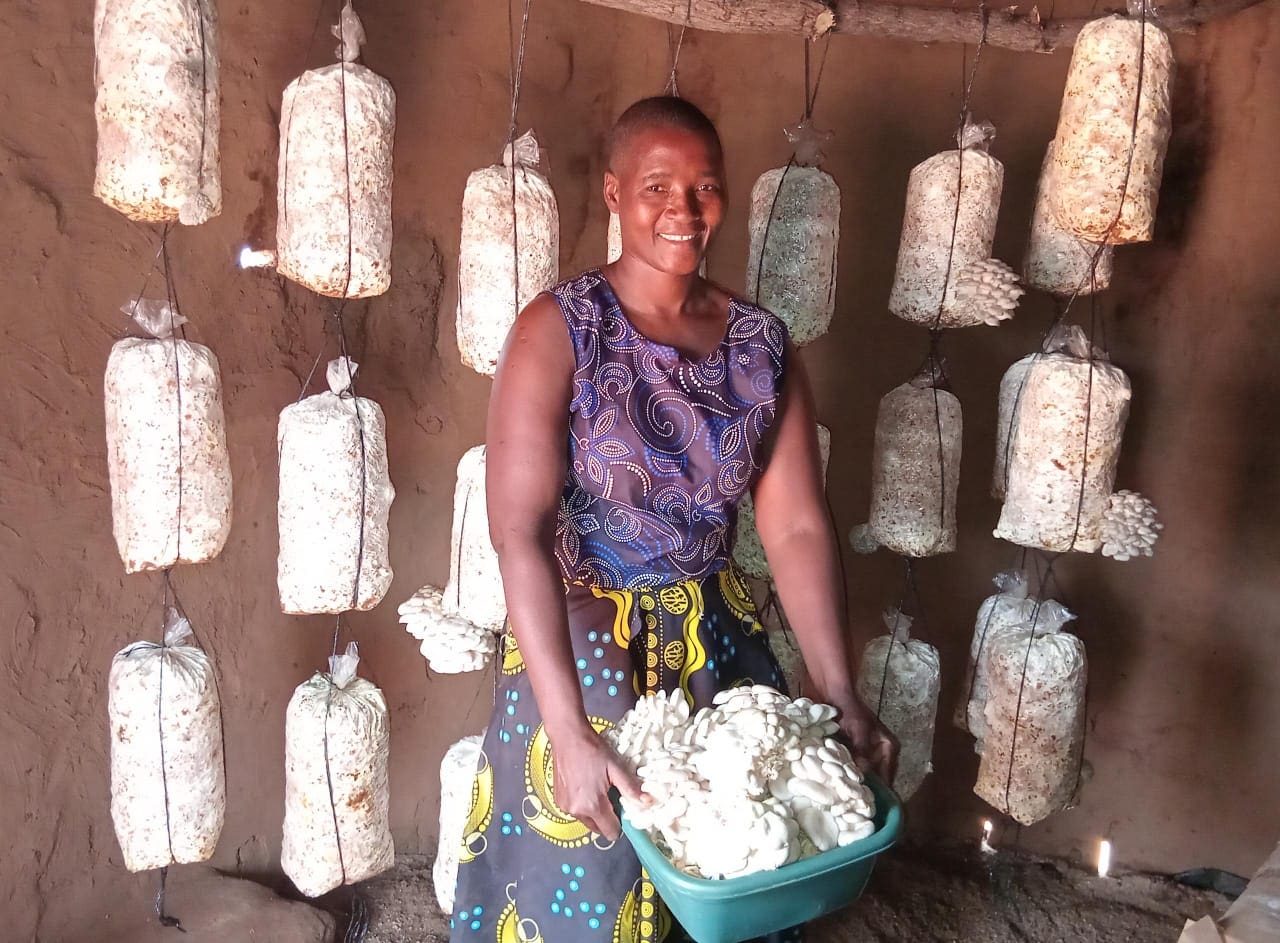
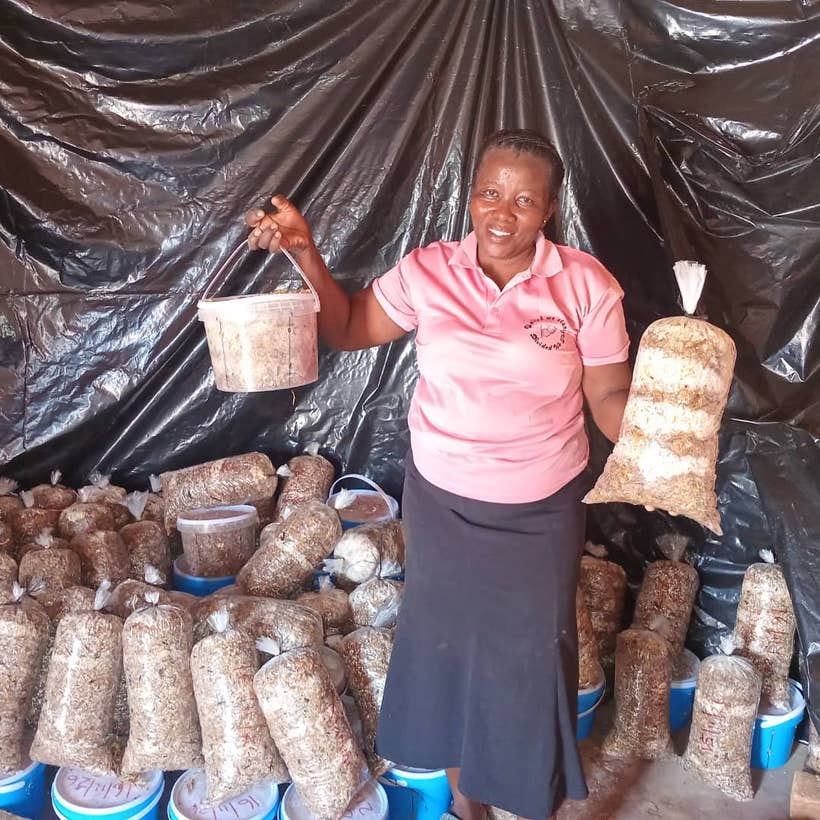
The Future of Hope Foundation (TFoHF) is a national partner focused on entrepreneurship, food security, and innovative livelihood solutions. It is recognised for its Mushroom-based Integrated Food Production System, which combines climate-resilient food production, nutrition, income generation, and skills development for vulnerable households and rural entrepreneurs.
About the project
Full title: Mapindu Amangwana: Greener Futures in the Zambezi-Valley
Timeline: December 2025 to October 2029
Amount: EUR 5,555,000
Partners:
Sustainable Agriculture Technology (SAT)
Organisation of Rural Associations for Progress (ORAP)
Farmers Association of Community Self-Help Investment Groups (FACHIG)
The Future of Hope Foundation (TFoHF)
Expected number of people reached: 12,600 smallholder farmers
Donor: European Union
