
The Issue
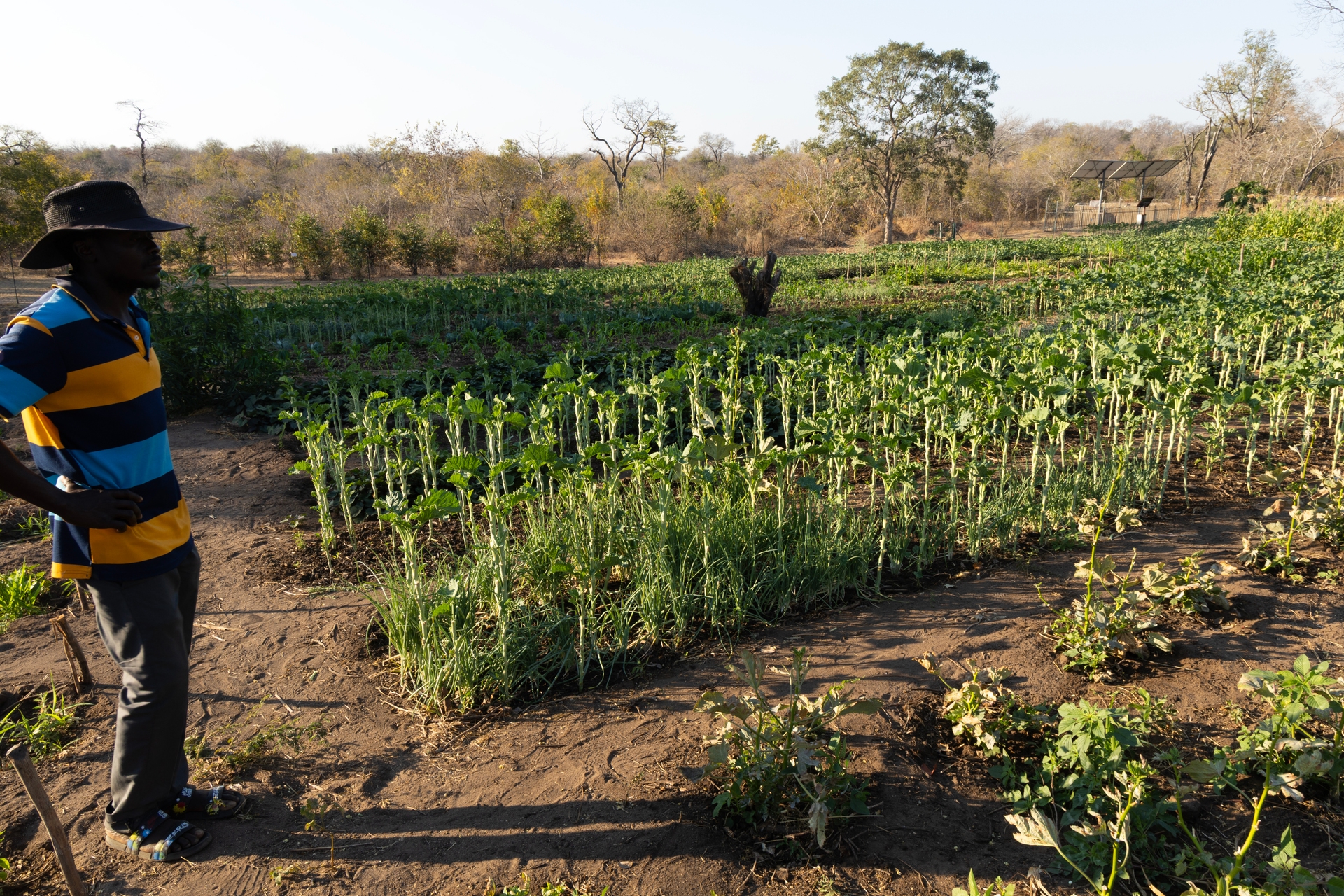
The districts of Hurungwe, Mbire, Kariba, and Binga are home to many wild animals, forests, rivers, and other natural resources.
However, these resources are being damaged by trees being cut down, overfishing in the rivers, and farming in sensitive wildlife areas. Many families depend on these resources for food and income, but they often lack the knowledge and opportunities needed to use them sustainably.
Conflicts between people and wild animals are increasing, with elephants destroying crops and wildlife causing injuries and deaths. Climate change is making the situation worse by causing droughts, drying up water sources, and reducing crop yields.
Many households struggle to find enough food and earn a reliable income. Women are especially affected because they often have less access to land, livestock, income, and decision-making opportunities.
The Ushingi project helps communities protect their natural resources, improve farming and business skills, access reliable water supplies, and build stronger livelihoods that can withstand future challenges.
The Project
The Ushingi (Determination) project works with communities in Hurungwe, Mbire, Kariba, and Binga districts to make them more resilient, food secure, and economically self-reliant while protecting the natural resources they depend on.
Building on previous resilience programmes, the project focuses on four key areas:
- Strengthening local institutions, community groups, and governance systems so communities can actively participate in decisions about managing forests, wildlife, fisheries, and other natural resources. Ushingi also supports community ownership structures and shares lessons to influence broader development efforts.
- Promoting sustainable use of natural resources while improving food production. Communities are supported to protect wildlife, forests, and water sources, benefit from natural products, adopt responsible fishing practices, restore degraded land, and reduce conflicts between people and wildlife. Climate-smart farming, improved nutrition, and better access to water is also promoted.
- Expanding livelihood opportunities through improved farming, livestock production, fish farming, mushroom production, and use of natural products. Farmers are trained on business development, market linkages, renewable energy support, and innovative technologies to improve productivity and income.
- Strengthening disaster preparedness and early warning systems so communities can better anticipate, prepare for, and respond to droughts, floods, and other climate-related shocks.
The Change
The project is expected to create stronger, more resilient communities that are better able to withstand droughts, economic shocks, and other challenges.
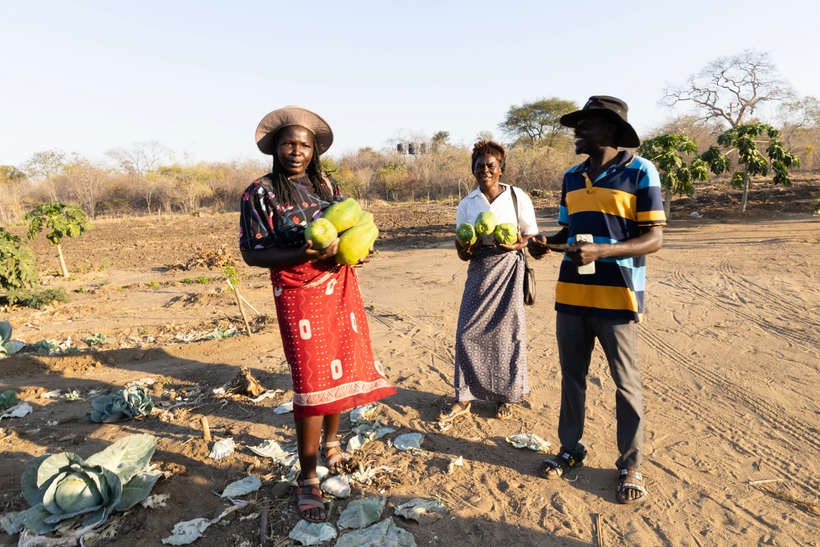
Households will have improved access to food, water, and income opportunities, leading to better nutrition and a higher quality of life.
Farmers and producers will increase their productivity and earn more income through improved farming practices, business skills, and stronger links to markets.
The sustainable management of forests, fisheries, wildlife, and water resources will help protect the natural environment while creating economic opportunities for local communities.
Restored landscapes and protected wildlife habitats are expected to reduce conflicts between people and wild animals and improve the long-term health of the environment.
Communities will also become better prepared for climate-related disasters through strengthened early warning systems and local disaster response mechanisms
In addition, stronger community institutions and increased participation of women and vulnerable groups in decision-making will improve local ownership and sustainability of development investments.
Overall, the project will contribute to lasting food security, increased household incomes, improved environmental protection, and greater community resilience.
The partners

Bio Innovation Zimbabwe (BIZ): Bio Innovation Zimbabwe is a national technical partner specialising in natural resources, non-timber forest products, and biodiversity-based enterprises. It has extensive experience in flora research, product certification, and value chain development. BIZ supports communities with product quality standards, food safety training, and access to local and international markets for natural products.
Fambidzanai Permaculture Centre (FPC): Fambidzanai Permaculture Centre is a national partner with strong expertise in agroecology, sustainable farming systems, and community resilience. As an existing consortium member in the Zambezi Valley, FPC supports farmers, especially women and youth, to adopt environmentally sustainable farming practices that improve food security, livelihoods, and climate resilience.

Matusadona Conservation Trust (MCT): Matusadona Conservation Trust is a national conservation partner managing Matusadona National Park and surrounding landscapes. It combines biodiversity conservation with community development, supporting livelihoods, human-wildlife coexistence, and sustainable natural resource management. Within the project, MCT contributes expertise in fisheries management, fish farming, conservation-based livelihoods, and community resilience.
Organisation of Rural Associations for Progress (ORAP): ORAP is a national partner with over four decades of experience in rural development, resilience building, and community empowerment. It promotes sustainable agriculture, disaster preparedness, enterprise development, and nutrition security. The organisation has strong expertise in supporting women and youth entrepreneurs, strengthening community institutions, and improving household resilience to climate-related shocks.

Wildlife Conservation Action (WCA): Wildlife Conservation Action is a national conservation organisation specialising in community-led approaches to reducing human-wildlife conflict. It has successfully promoted predator-proof livestock enclosures and wildlife-friendly livelihood solutions in Binga and Kariba. Within the project, WCA supports livestock protection, community safety, and coexistence between people and wildlife.
About the project
- Title: Zimbabwe Resilience Building Fund (ZRBF) 2 Ushingi Project
- Timeline: August 2025-February 2029
- Amount: $ 6,047,457.08
- Donor: UNDP
