

When a veteran returns from war, the hardest part is not finding a job or filling out paperwork, but feeling understood without the need for words. In Kryvyi Rih, this mission is carried out by the “Veteran” Service Office. It is a space free from “administrative barriers,” as seven out of the sixteen staff members are war veterans who know the true price of every step taken in civilian life. The center provides social, legal, and psychological support, which is vital for those attempting to return to a normal life.
The office is headed by Olha, known to many by her call sign “Yadviga.” A lieutenant who dedicated 16 years to service—nine of which were spent in the heart of the Russian-Ukrainian war—she rose from a volunteer in Pisky to a deputy battalion commander in the Avdiivka direction. Olha built this office essentially from scratch, championing the idea that the space should be both progressive and cozy, ensuring that people do not feel the pressure of cold administrative walls.
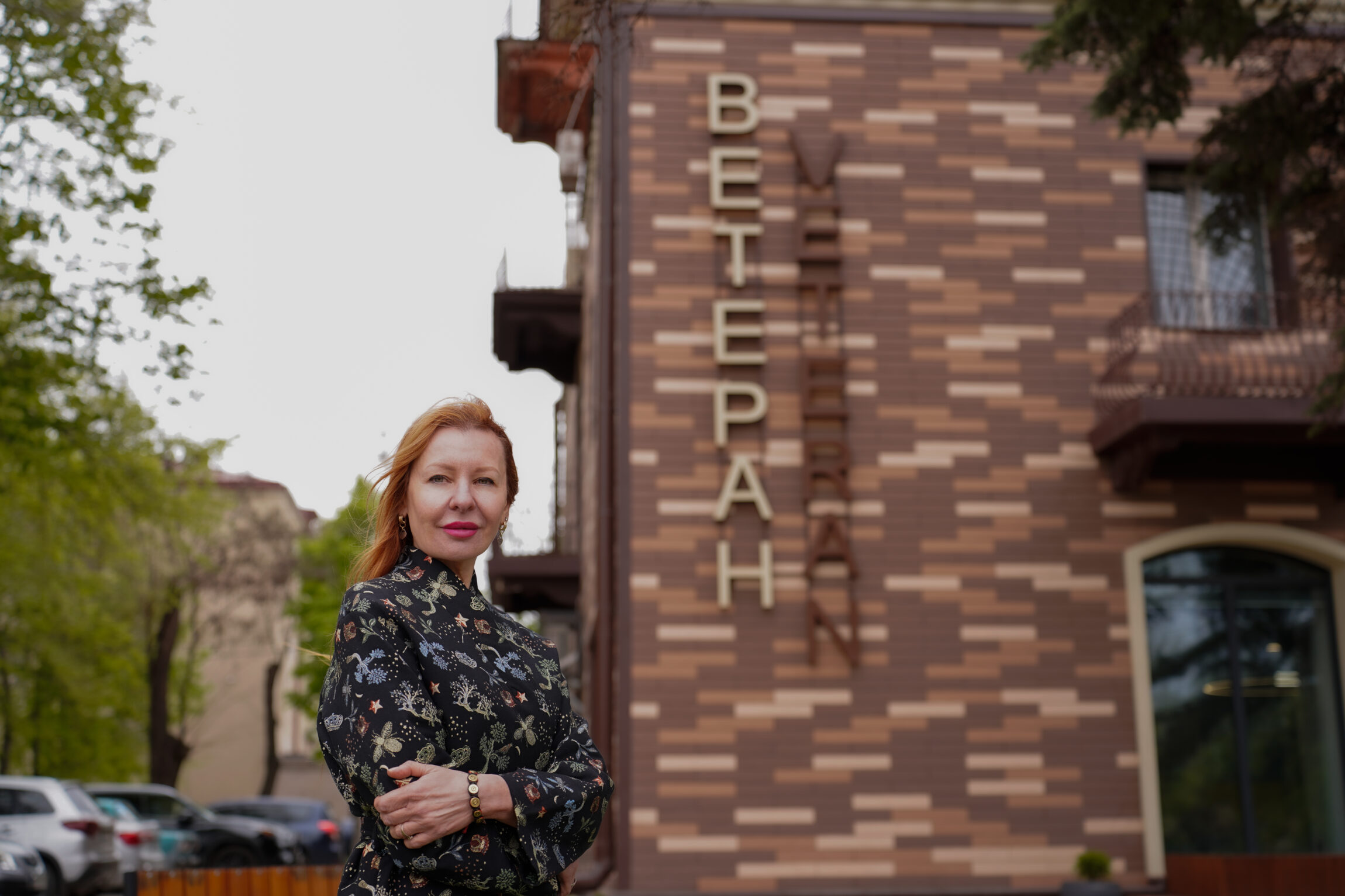
“Returning to civilian life was very difficult; I am still not fully adapted. When you return from war—though perhaps no one truly returns from war, we stay there in a way.Olha shares.
You dream of war, you live by war”,
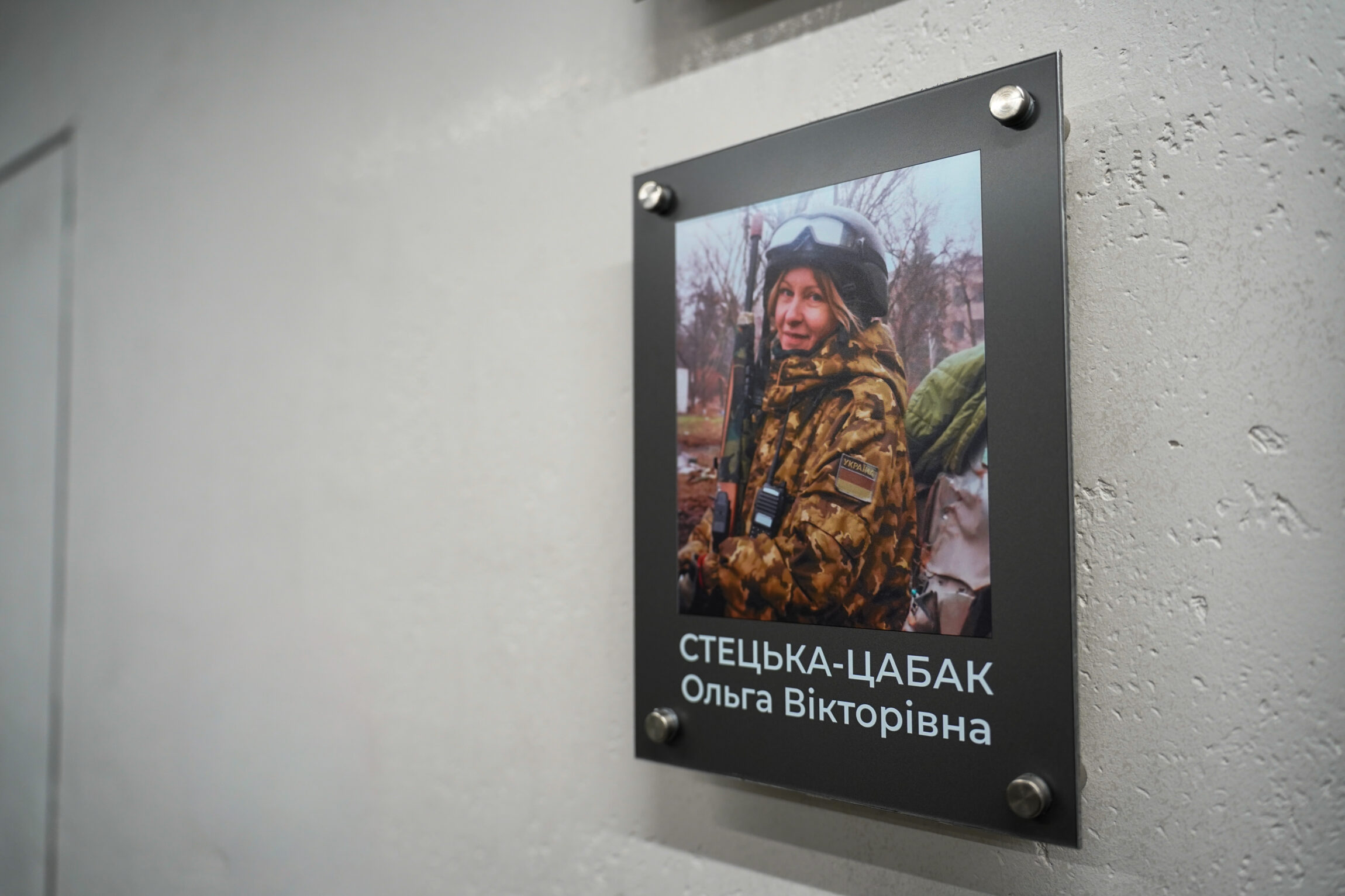
Because of this, she personally selected a team where everyone understands the visitor without extra explanations. Today, the office operates under a unique model where support specialists work in tandem with exemplary lawyers and psychologists to provide comprehensive assistance in one location.
One of those helping fellow soldiers overcome bureaucratic hurdles every day is Roman, a lawyer and veteran support specialist. His service began in March 2022 in intelligence and ended with severe injuries near Avdiivka. An artillery strike left him with facial wounds, a lower limb injury, and numerous fractures, leading to a year and a half of rehabilitation. Roman admits that his family’s unwavering support helped him return. Now, he applies his expertise to resolve complex issues regarding payments, pensions, and documentation.
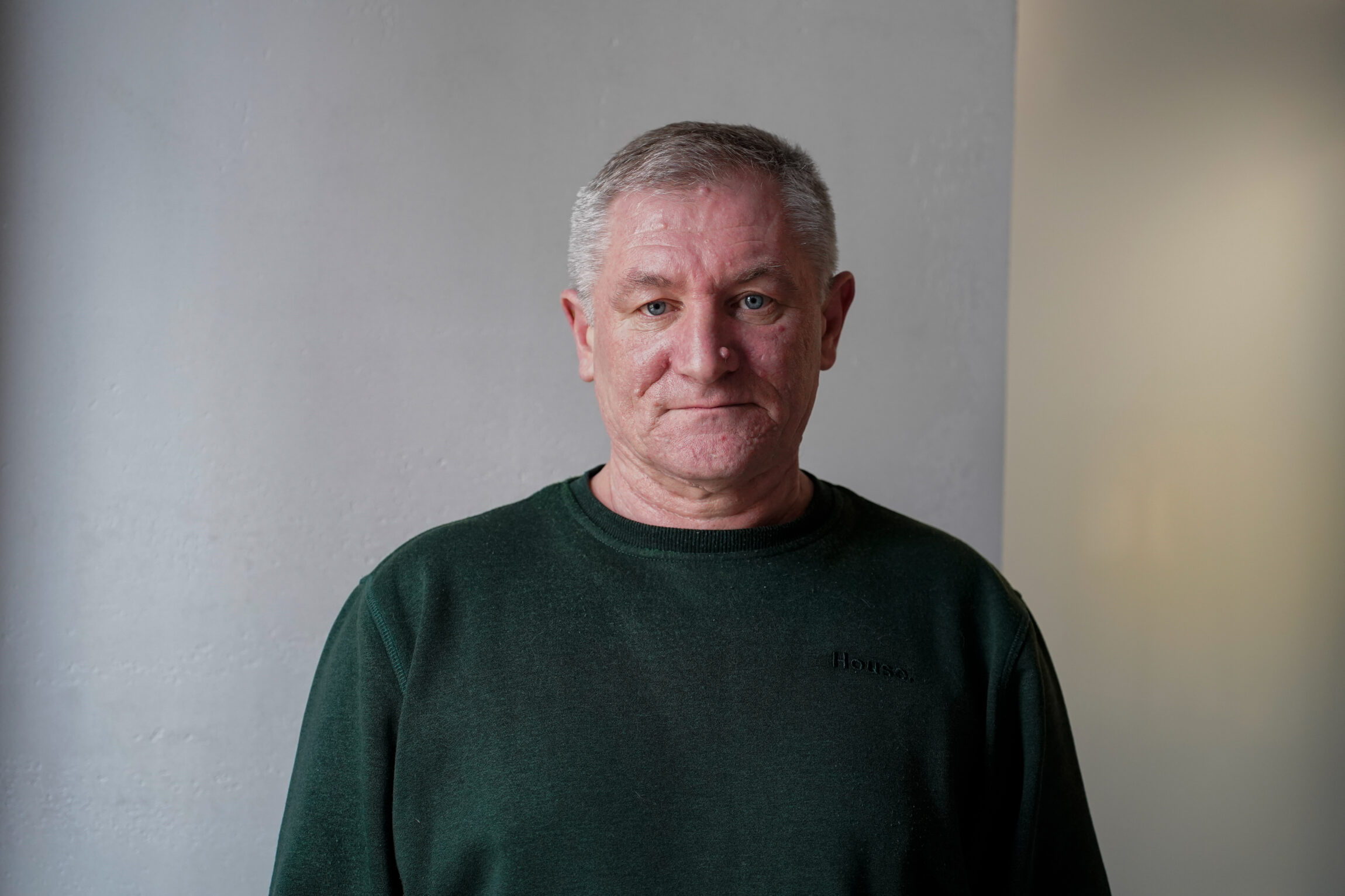
“I went to be with my own, because there are veterans here, and I only want to work with them. I am in my element, especially within this service office family,”says Roman.
He handles 8 to 10 people daily, and every request requires not just legal precision, but deep human empathy.
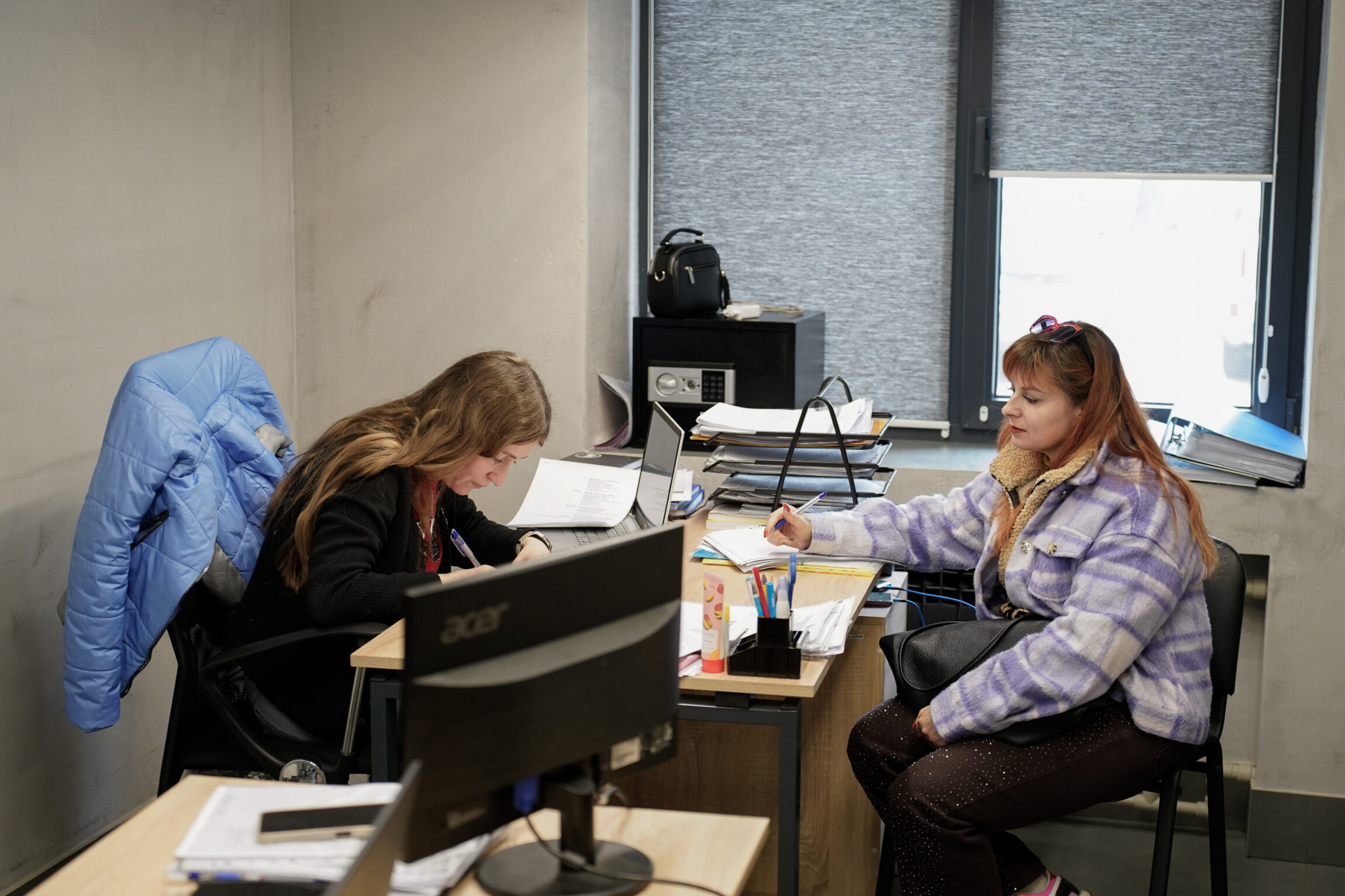
The center’s work would be significantly more difficult without the support of international partners. Cooperation with DCA-NCA in Ukraine has become a resource that, according to management, literally “gives them wings.” Grant assistance exceeding $7,500 allowed the center to meet critical needs that were difficult to fund promptly from the state budget. Specifically, modern laptops were purchased for specialists, allowing them to process thousands of requests faster; in the first months of 2026 alone, the office received over 2,000 visitors. Special attention was paid to physical safety: since Kryvyi Rih is under constant threat of shelling, the office’s large windows were protected with special armored film. This provides a sense of security for both the staff and the mothers with children who attend psychological sessions.
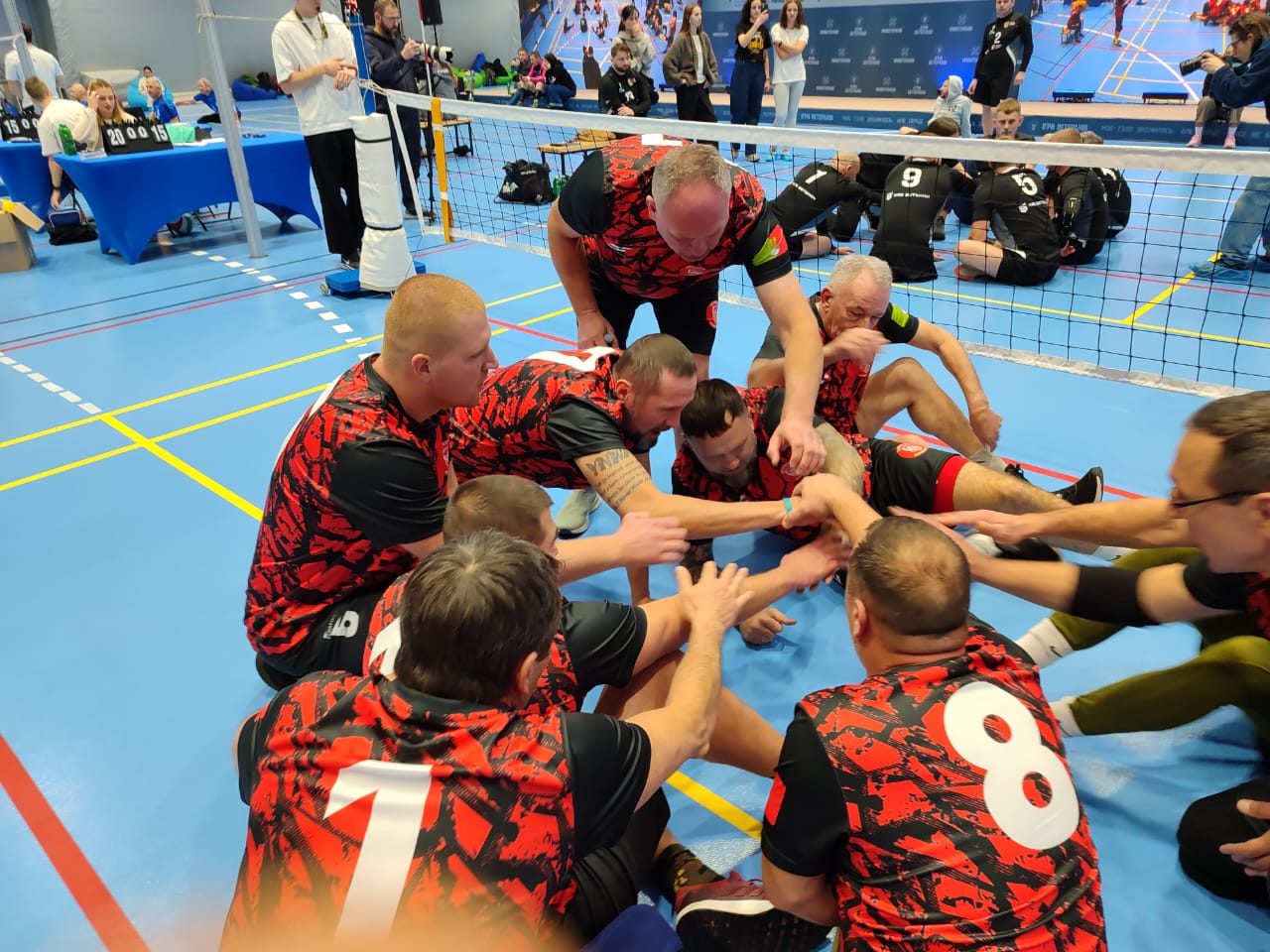
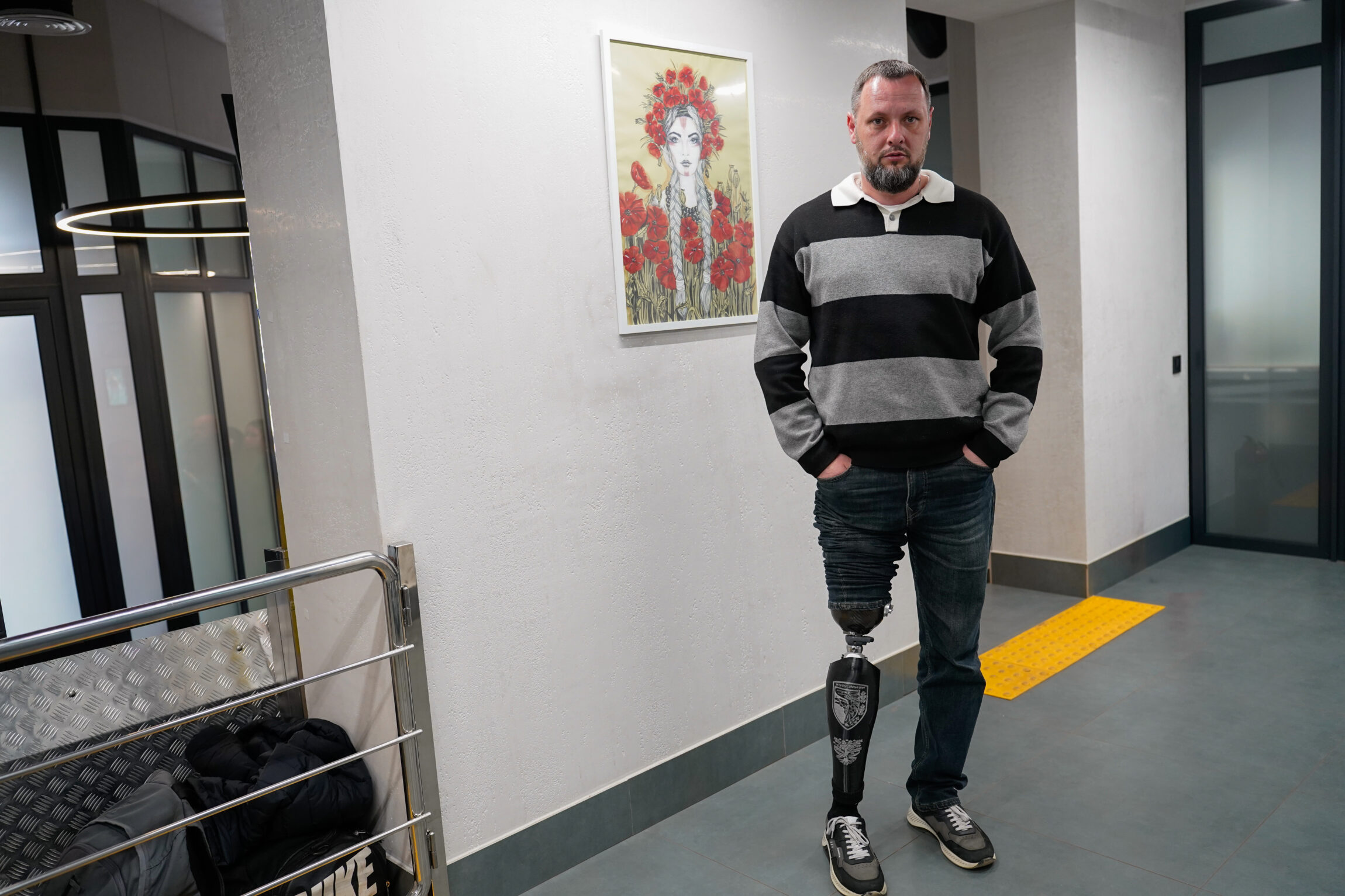
Adaptive sports are another vital element of rehabilitation. Serhii, a former infantryman of the 93rd “Kholodnyi Yar” Brigade, lost a lower limb near Klishchiivka in September 2023. He went through a difficult prosthetics process but found the strength not just to walk, but to join the “Invictus” veteran team. Funds from the DCA-NCA grant allowed for the purchase of professional uniforms for the team, which has become a symbol of the city’s resilience.
“On the field, we forget about our injuries and pain. The uniform we bought is great—bright and powerful. It charges the guys in a way that makes them feel a sense of purpose in life again,”says Serhii, who now also works as a veteran support specialist.
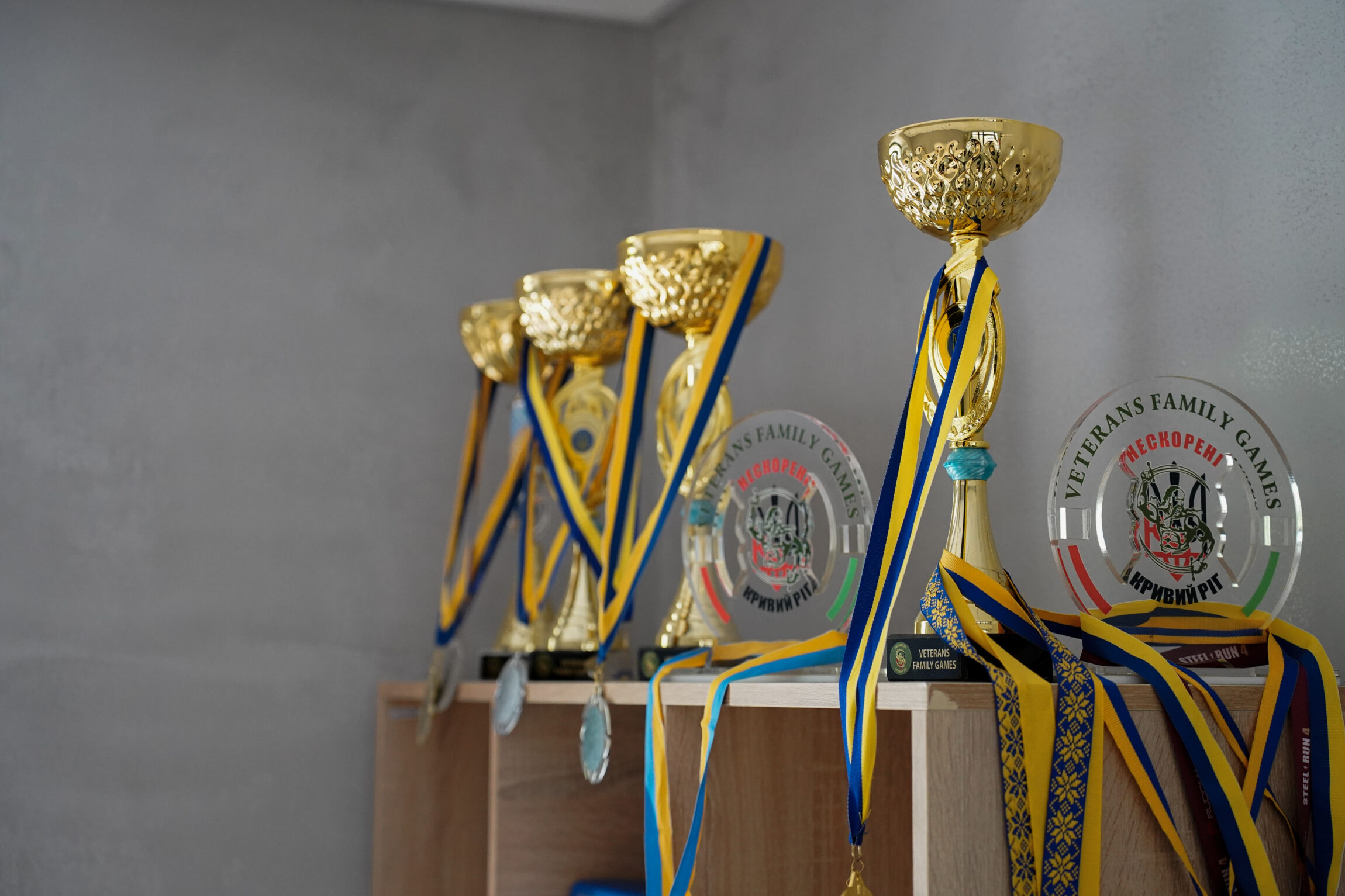
Today, the “Veteran” Service Office in Kryvyi Rih, along with its three regional branches, creates a true support network. Olha, who speaks openly about her own active PTSD, emphasizes that such centers are a salvation from the “contrast and lack of perception” that often overwhelm veterans after their service. Through the combined efforts of the community and the support of donors, defenders receive more than just services—they receive a chance for a dignified return home, where they are met not as a problem, but as family.
“Organizations like yours help us welcome everyone to our wonderful center and provide the exact support that is necessary after being discharged from service,”Olha says.
The grant project was funded with the support of Danida, DanChurchAid, and Norwegian Church Aid in Ukraine.