
DCA-NCA Ukraine
Across Ukraine, priests, their spouses and church leaders support people living through the consequences of war. The “Balance in Your Ministry” programme helps them recognise psychological trauma, support people in distress and understand why caring for their own well-being is also part of their ministry.
When people experience grief, displacement or the trauma of war, they often turn first to someone they trust. For many, that person is a priest, a church leader or a member of their faith community — someone expected to listen, offer comfort and help them find hope.
But those who support others are also affected by what they hear and witness. Without the opportunity to process difficult experiences and restore their own strength, even the most dedicated people can become exhausted.
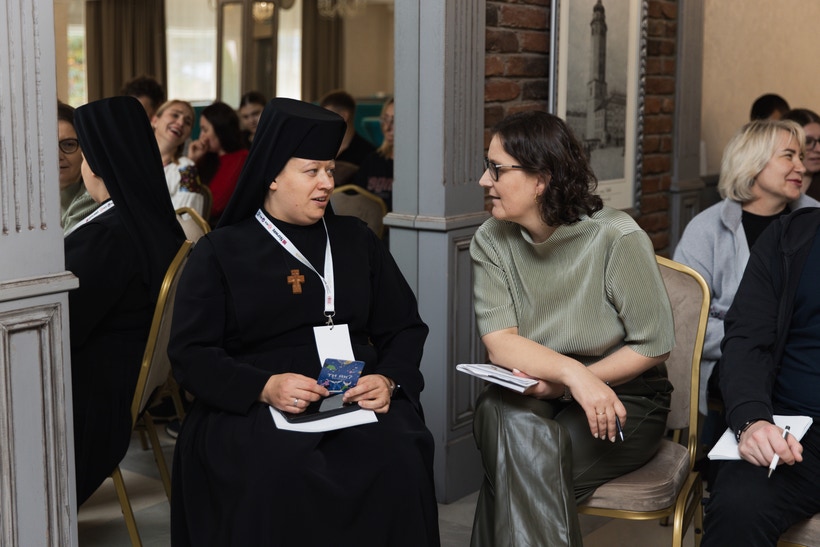
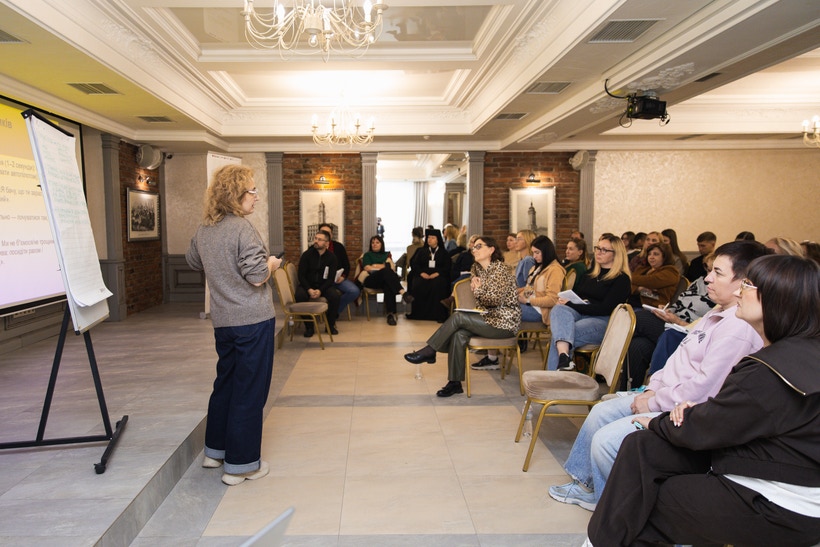
The “Balance in Your Ministry” programme was created to help address this challenge. It brings together 50 participants from across Ukraine, including the frontline regions of Sumy, Chernihiv, Kharkiv, Dnipropetrovsk, Zaporizhzhia and Mykolaiv. Through five in-person learning modules, participants learn to recognise signs of psychological trauma, provide psychological first aid, use trauma-informed pastoral counselling and take care of their own well-being to prevent burnout. Group reflection and supervision sessions help them apply what they learn to situations in their communities, while also offering valuable time to rest and reconnect with one another.
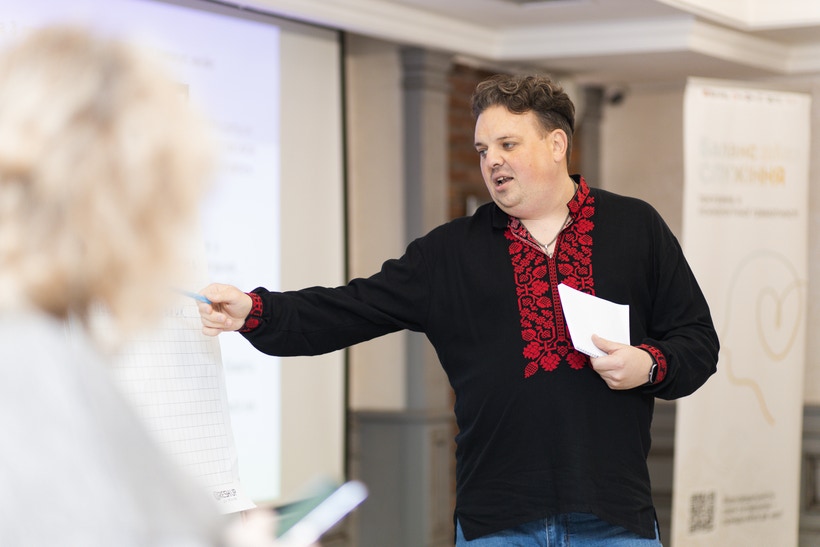
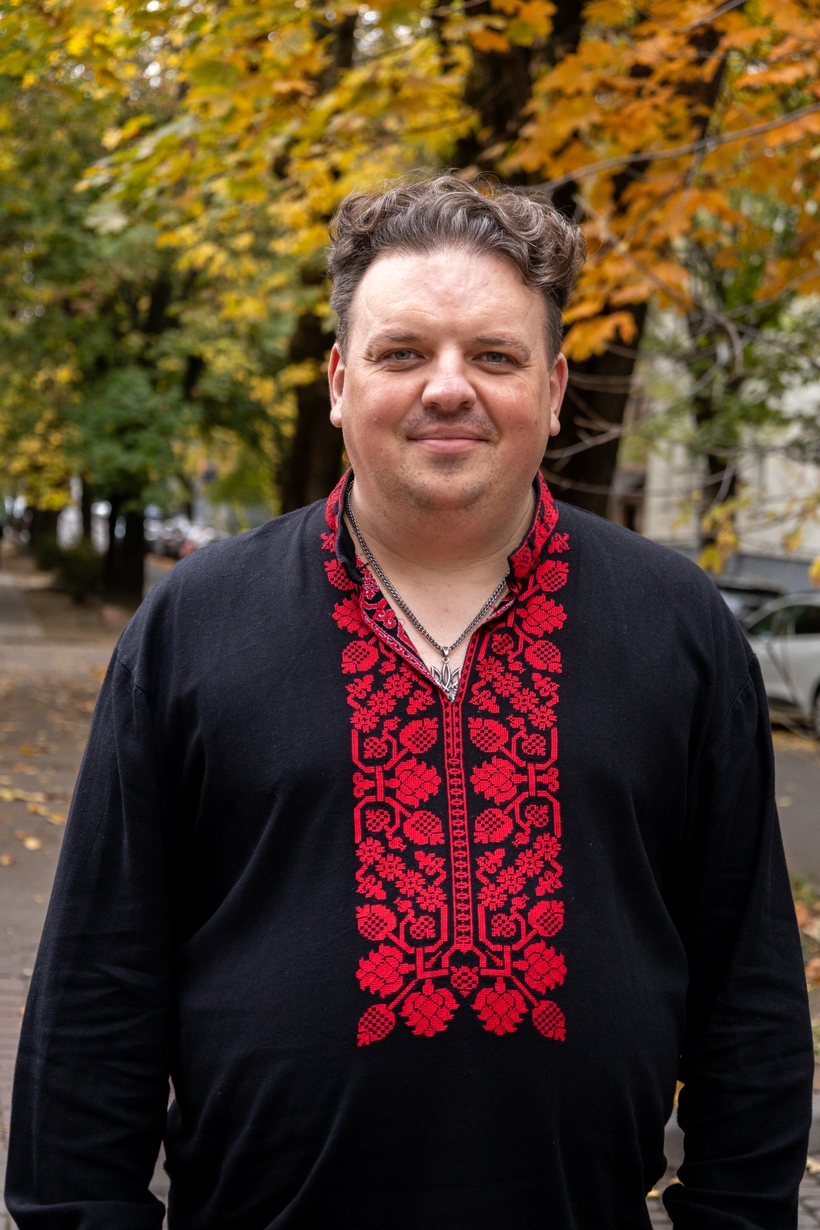
For Father Anatolii Kulish, a 42-year-old priest of the Orthodox Church of Ukraine in Kremenchuk, supporting people has been central to his 22 years of ministry. He serves as rector of the Church of the Mother of God “Joy of All Who Sorrow” and has long focused on working with children and young people.At the church, this commitment has grown into a Sunday school and the Flame Centre for Holistic Development. The team also organises children’s and youth camps — work that has taken on a different meaning during the full-scale war.
During one summer camp for children aged eight to twelve, Russian attacks took place nearby. The children remained relatively calm, Father Anatolii recalls, but the conversations they had in their tents that night stayed with him. In a city that has also become a transit hub for people displaced from Kharkiv, Sumy and southern Ukraine, he sees how much support people need.
His experience has convinced him that faith and prayer matter, but that pastoral care also requires an understanding of psychology.
“Sometimes people come to a priest and are told to pray more. But a person may already be praying enough, and what they need is something else. Psychology helps us understand the full range of a person’s needs and how to respond to them,”says Father Anatolii.
Father Anatolii had wanted to join “Balance in Your Ministry” because he knew the value of learning through his work with the Ukrainian Educational Platform. The programme has helped him approach conversations differently and better understand the needs behind what people say.
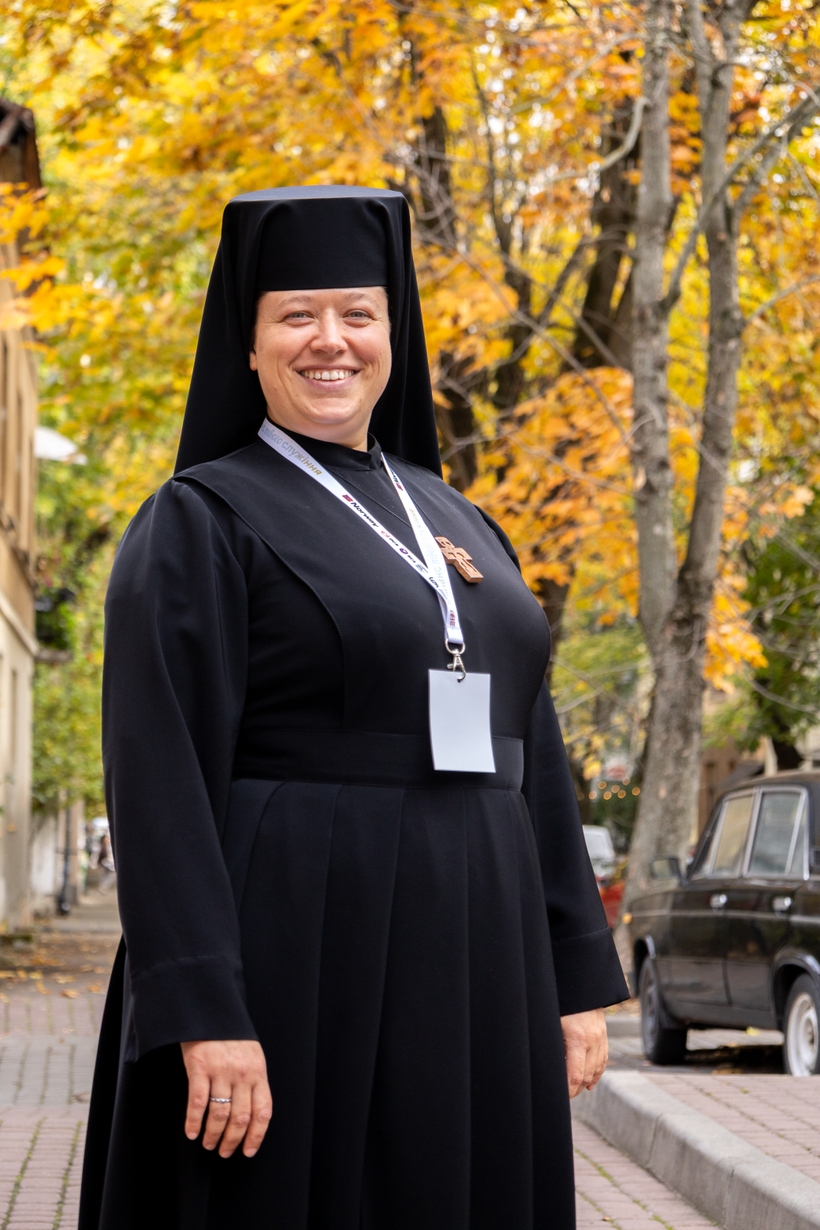
Sister Yeremia Slobodiuk, a 36-year-old nun serving at St Nicholas Cathedral Monastery in Kharkiv, has also learned how deeply other people’s experiences can affect those who listen to them.
Originally from the Lviv region, she has spent around 15 years in monastic life and trained as an early childhood educator. Before coming to Kharkiv, she served in Cherkasy. In her current role, she works with children and young people, supports displaced people and listens to stories of life under occupation and the difficult journeys people have made to reach safer places.Those conversations have changed the way she understands people’s choices. It can be easy to ask why someone did not leave a dangerous place, she says, until you hear what they have lived through and what it took to escape.
“When you had a house, a garden and so much growing there, and then you have to leave without knowing where you will live or what comes next, it is incredibly difficult. I cannot imagine how hard it is to start life from zero. I may not be able to give people anything or solve their problems, but I can listen. Sometimes that is the only thing I can offer,”says Sister Yeremia .
The programme has helped Sister Yeremia communicate with people in difficult situations and better understand her own reactions to the war. It has also encouraged her to explore psychology more deeply and think about how to move through crises without losing herself in other people’s pain.
She is honest about the limits of what she can offer. When people have lost their homes, possessions and sense of security, there are no easy words that can make things right. Prayer remains one of the ways she processes what she hears and finds the strength to continue. The programme has given her additional tools to understand people’s experiences, communicate with greater sensitivity and take care of herself.
For Uliana Tymchuk, a 48-year-old educator and psychologist from Lviv who now lives in Kharkiv, supporting others has become part of everyday life. She moved to the city during the full-scale war, joining her husband, a Greek Catholic priest who serves at the cathedral. Since the beginning of the war, the couple has helped people in their parish, including those displaced from occupied and heavily affected areas. In 2024, Uliana became the coordinator of “Space of Care”, a project that strengthens the parish’s support for people in difficult circumstances.
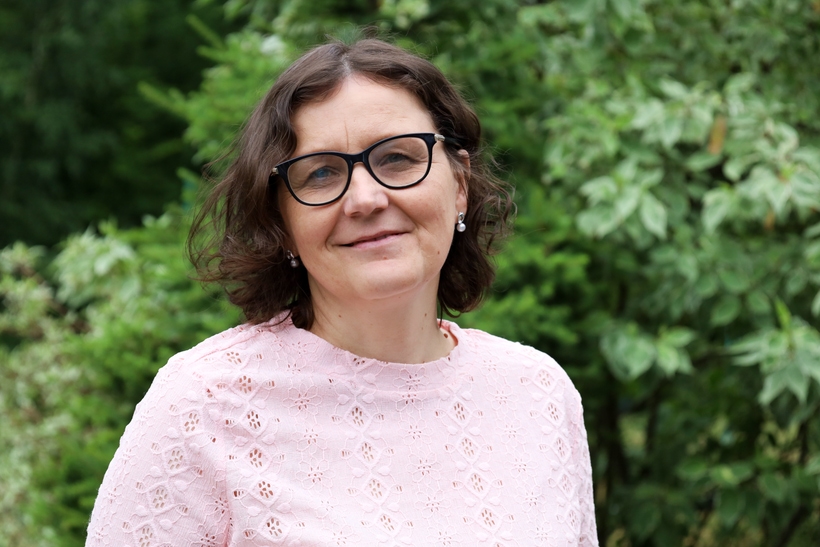
Their work brings them into contact with people who have endured displacement, hunger, occupation and the destruction of their homes. Her husband also accompanies military personnel who come to him for confession, conversation and spiritual support. They often discuss what they hear and experience together.
“We are like-minded. We talk everything through, and that makes it easier. Sometimes we realise how difficult it would be to go through all of this alone,” Uliana says. But being there for others takes a toll. She remembers the spring of 2024, when Russian attacks on Kharkiv intensified and even an ordinary walk through the city could feel dangerous. Family members and friends urged them to leave, but the couple continued their work.
At one of the programme’s first modules, a trainer showed participants a drawing of a skeleton running to rescue someone. Uliana and her husband immediately recognised themselves in it. The image became a reminder that they, too, needed care.
“And we were just like that skeleton: We could barely breathe—sleep-deprived, exhausted, surrounded by sirens and air raid alarms. And yet we kept running to save someone else. We brought this photograph to Kharkiv with a sense of humor and thought: ‘That’s exactly who we are,’”says Uliana.
For Uliana, one of the programme’s most important benefits has been the opportunity to leave Kharkiv regularly and take a break from the constant pressure. The time away helps her and her husband recover and return to their community with renewed strength. It is a simple but important shift in perspective: taking time to recover is not a failure to serve. It helps make continued service possible.
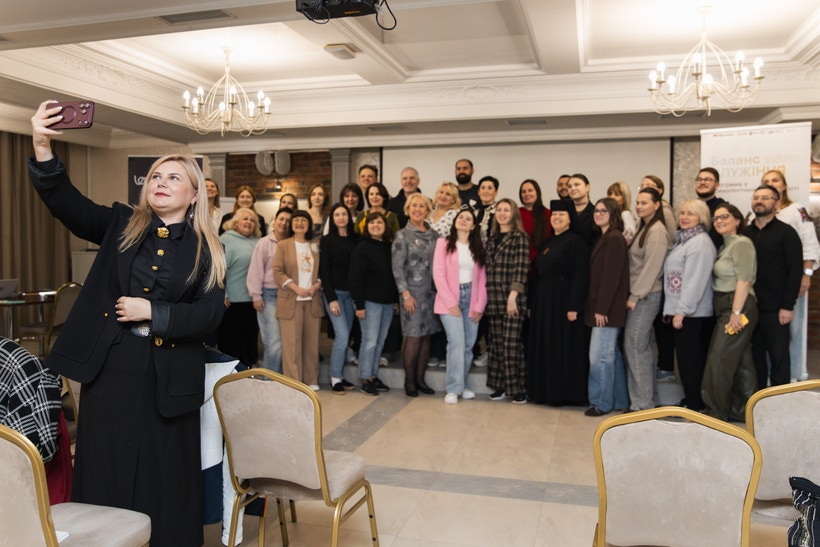
The experiences of Father Anatolii, Uliana and Sister Yeremia are different, but they share a common reality: serving people affected by war means carrying difficult stories, emotions and responsibilities. Faith and commitment can provide strength, but they do not make anyone immune to exhaustion.
“Balance in Your Ministry” creates space for participants to develop practical skills, reflect on their experiences and learn alongside others who understand the demands of their work. It also reminds them that supporting their own well-being is not separate from serving their communities.
For those who are so often expected to be a source of strength for others, learning to recognise their own limits can be an essential part of continuing to care.Because caring for others also means remembering to care for yourself.
About the project
Balance in Your Ministry brings together 50 priests, their spouses and church leaders from across Ukraine, including participants from the frontline regions of Sumy, Chernihiv, Kharkiv, Dnipropetrovsk, Zaporizhzhia and Mykolaiv. Through five in-person training modules, participants learn to recognise psychological trauma, provide psychological first aid, use trauma-informed pastoral counselling and care for their own well-being to prevent burnout.
Group reflection and supervision sessions help them apply their knowledge in their communities while sharing experiences and supporting one another. The programme is implemented by the Ukrainian Educational Platform with funding from the Government of Norway through the Norwegian Agency for Development Cooperation (NORAD).
