

The Issue
Women in lakeside communities around Lake Victoria have historically been excluded from fish farming, and limited to processing and trading roles with little access to capital, commercial cages, or technical training.
Declining wild fish stocks have made this situation more urgent, yet women remain locked out of cage fish farming due to its high capital demands. Compounded by this, a deeply harmful transactional sex trade known as jaboya has emerged, where women offer sex to fishermen in exchange for fish to sell, spreading HIV and stripping women of their dignity.
Meanwhile, poor quality feeds and weak record-keeping have prolonged fish maturity cycles to up to 12 months, making aquaculture commercially unviable for small-scale farmers. The result is a cycle of perpetual poverty, food insecurity, and vulnerability among women and their families in Migori County.
The Project
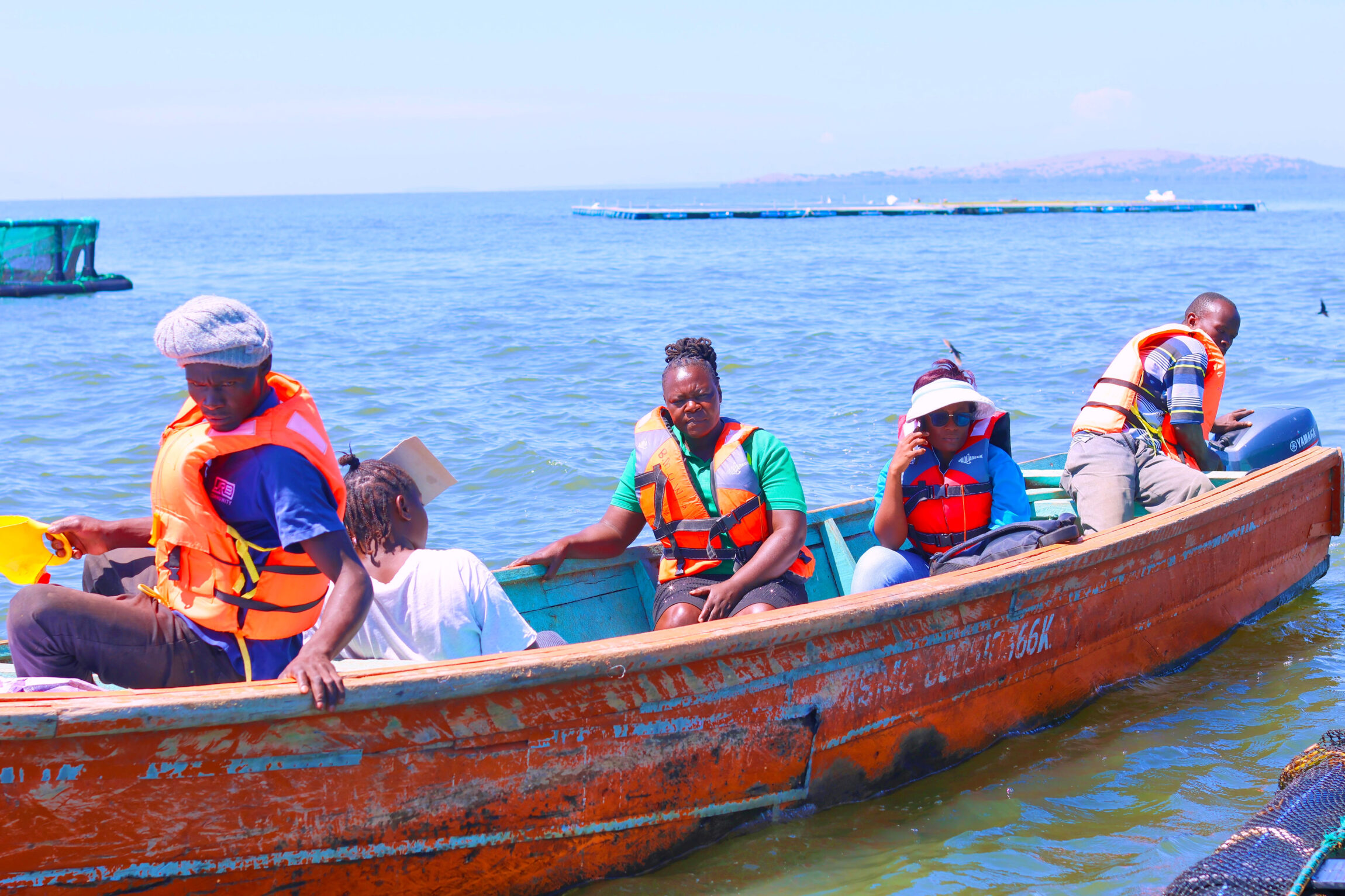
The Aquaculture Livelihood Improvement Program (ALIP), targets 50 women fish farmers in Migori County. One group of 20 women will be supplied with a 15-metre diameter commercial cage (capacity: 65,000 fish), 65,000 fingerlings, and 334 bags of high-quality floating feeds – inputs that reduce the fish maturity period from 13 months to 8 months.
All 50 women will receive training on good aquaculture practices, financial literacy, and business development. A revolving fund model will be introduced, growing each member’s individual borrowing capacity from KES 6,000 to KES 75,000 – a 12.5 times increase – and generating an estimated profit of KES 1,000,000 per production cycle to be shared among group members.
The Change
The project seeks to transform the livelihoods of vulnerable communities around Lake Victoria by economically empowering women through active participation and ownership in fish cage farming enterprises.
By creating reliable and structured aquaculture businesses, the project increases household incomes while opening up sustainable livelihood opportunities within the blue economy. Central to this approach is improving access to finance, making aquaculture more accessible to groups that would otherwise be excluded.
The project also strengthens farmers’ technical capacity through continuous training, extension services, and technical support to improve productivity, efficiency, and long-term sustainability. In addition, it promotes inclusive market systems by guaranteeing market access and buyers for harvested fish, reducing uncertainty and income instability for farmers. Thereby, it contributes to broader economic empowerment, community wellbeing, and sustainable development in the Lake Victoria region.
The Partner
Aquarech LTD is a Kenyan fish farming platform that enables fish farmers, fish feed manufacturers, and fish traders to trade and build trusting long-lasting partnerships. They support smallholder fish farmers with collateral-free loans, qualified inputs, and market access.

About the project
- Full title: Aquaculture Livelihood Improvement Program (ALIP)
- Period: January 2026 – December 2026
- Funding: DKK 189,230
- Partner: Aquarech
- Expected number of people reached: 50 women fish farmers
- Main Donor: Danida
