Monday, 16 November 2026, 6.30-8.00 PM (GMT+3) DanChurchAid, Lund University and HelpAge International hosts a side event during COP31 in Alanya. The event will convene researchers to share key findings from country and regional studies, and invite Parties and non Party stakeholders to reflect on their implications for both negotiations and implementation.
The need for greater focus on loss and damage in climate finance:
Climate change is intensifying, and climate-related disasters are becoming more severe and frequent. Even with extensive climate adaptation efforts, some losses and damages can no longer be prevented.
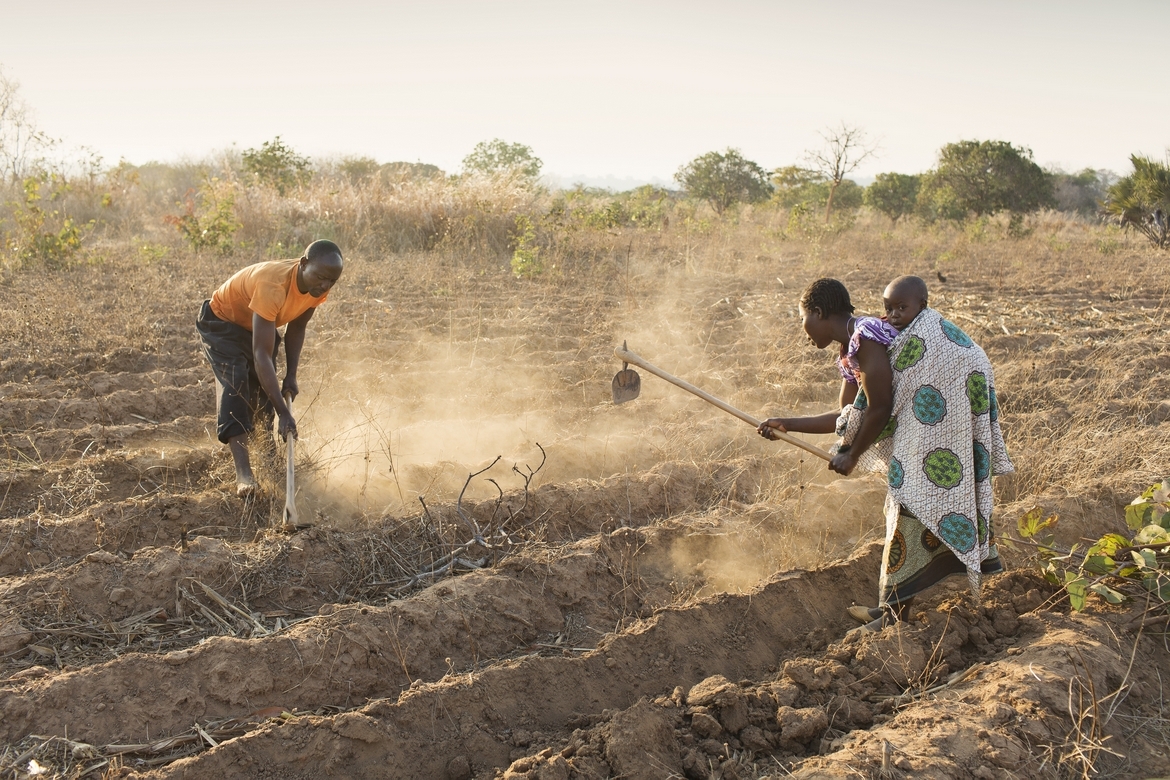
The impacts are felt most acutely in vulnerable communities in the Global South, despite having contributed the least to global emissions. At the same time, climate-related losses and damages risk exacerbating existing poverty and inequality. When vulnerable communities repeatedly lose their homes, crops and infrastructure, it becomes increasingly difficult to rebuild and invest in future development.
There is a need to turn research into action. This event focuses on how research can inform and strengthen negotiations on climate finance. Better documentation of climate-related losses and damages, alongside the inclusion of local experiences and perspectives, is essential to ensuring that climate finance addresses actual needs and is both effective and equitable.
FACT BOX: What is Loss and Damage?
Loss and Damage refers to the negative impacts of climate change that have already occurred or can no longer be avoided through mitigation and climate adaptation.
According to the United Nations Environment Programme (UNEP), some ecosystems and communities have already reached the limits of what effective climate adaptation can achieve. This is particularly evident in Small Island Developing States (SIDS), where rising sea levels threaten settlements, livelihoods and the very existence of some communities.
Loss and Damage can be divided into two categories:
Economic losses and damages
- Destruction of infrastructure and homes.
- Loss of agricultural crops and sources of income.
- Economic costs associated with rebuilding after climate-related disasters.
Non-economic losses and damages
- Loss of human lives and biodiversity.
- Loss of cultural identity and traditions.
- Loss of connection to specific geographical areas and local communities.
Livestream
#ResearchToResults
Join the conversation! Share your key takeaways, main thoughts, or a photo that ‘says it all’ using #ResearchToResults
Programme
Welcome by Co-Organizers
Introduction by the Moderator
– Mr. Mattias Söderberg, Climate adviser at DanChurchAid
Research teasers
Navn på research
– Mr. Henry Neufeldt /Fatemeh Bakhtiari (UNEP), Head of Impact Assessment and Adaptation at UNEP Copenhagen Climate Centre
Generationally Inclusive Climate Justice
– Mr. Hari Krishna Nibhanpudi, Global Climate Change Adviser at HelpAge International
Navn på research
– Ms. Emily Boyd, Professor at Lund University Centre for Sustainability Studies (LUCSUS)M
Learnings on Responses to Loss and Damage & Assessing Institutional Arrangements from National to Local Levels
– Ms. Lily Salloum Lindegaard, Senior Researcher at DIIS – Danish Institute for International Studies & IPCC AR7 Lead Author
Navn på research
– Mr. Espen Rønneberg, Senior Adviser on Climate Change Multilateral Agreements at SPC – The Pacific Community
Reflections
- FRLD Board member – Jette Michelsen DK (suggested)
- Civil society – Brenda LD collaboration (suggested)
- WIM EXcom member – Kolthoum, Botswana (suggested)
Questions from the floor (måske det skal være efter research)
Synthesis & Closing reflection
Concluding remark by IPCC Lead author
Reception & Informal Conversations
Contact informantion
DanChurchAid
Mr. Mattias Söderberg
Email: msd@dca.dk
Telefon: +45 29 700609
HelpAge International
Mr. Hari Krishna Nibhanpudi
Email: hari.nibanupudi@helpage.org
Telefon: +91 40 27417549
Lund University
Ms. Emily Boyd
Email: emily.boyd@lucsus.lu.se
Telefon: +46 703581839
Research made by co-hosts

Collaborating partners