The Halytsynove community in Mykolaiv region is a constant “combat alert” zone. The village of Halytsynove is about 35 km from the front line, while Lymany is only 24 km away. Shelling has become a part of daily life. Yet, even under fire, through ice and snow, utility workers loaded heavy generators every morning at 6:00 AM, fueled them up, and drove to the boreholes. All this so that nearly 10,000 residents—many of whom are elderly or displaced—could have water.
“There were moments of total blackouts when the entire community was without power for 12 hours straight. We had to transport generators to every single borehole just to give people the chance to wash or cook. Without water, life simply stops,”recalls Ivanna Zvonyk, chief engineer of the local utility company.
A Sustainable Solution
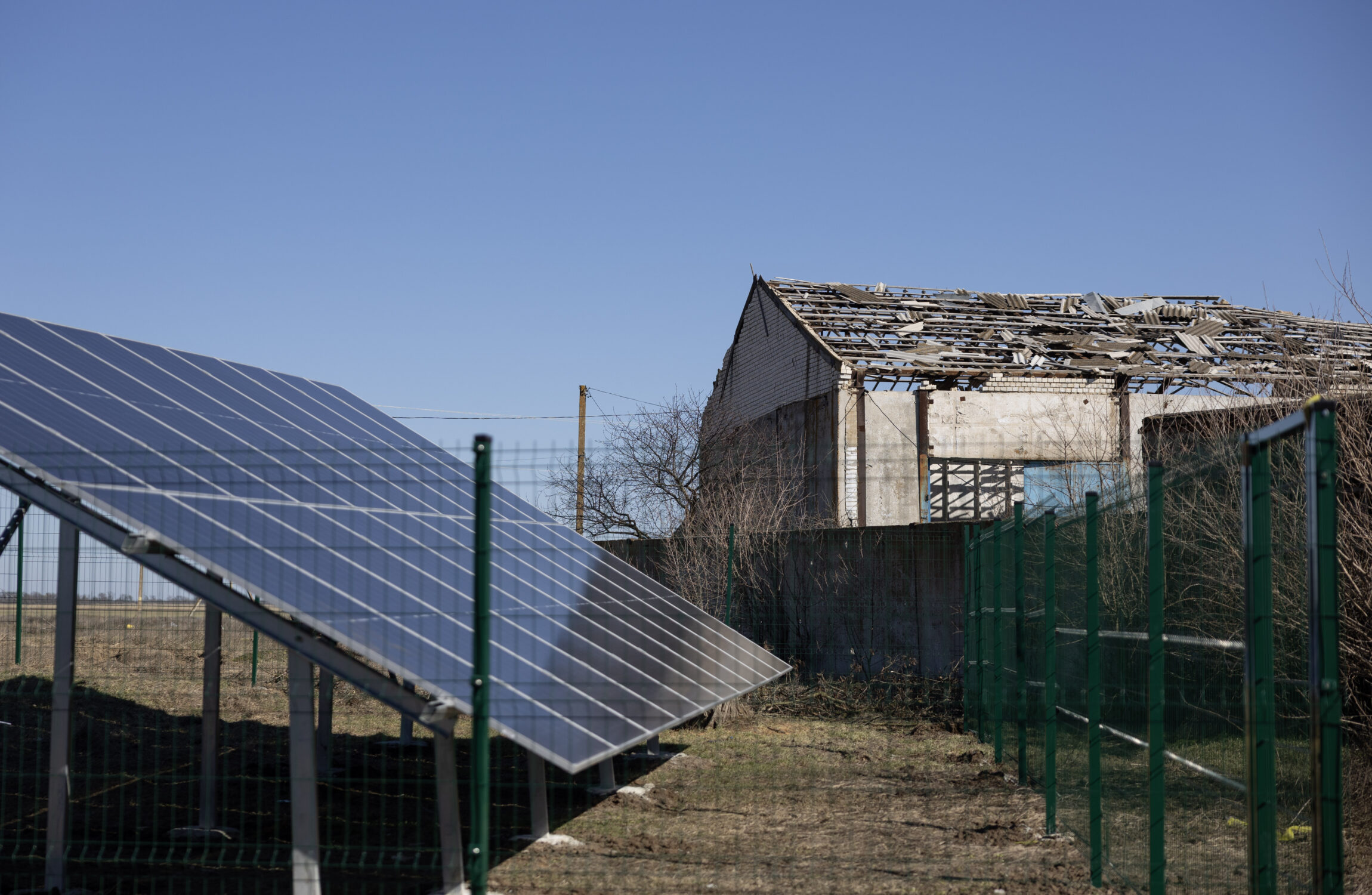
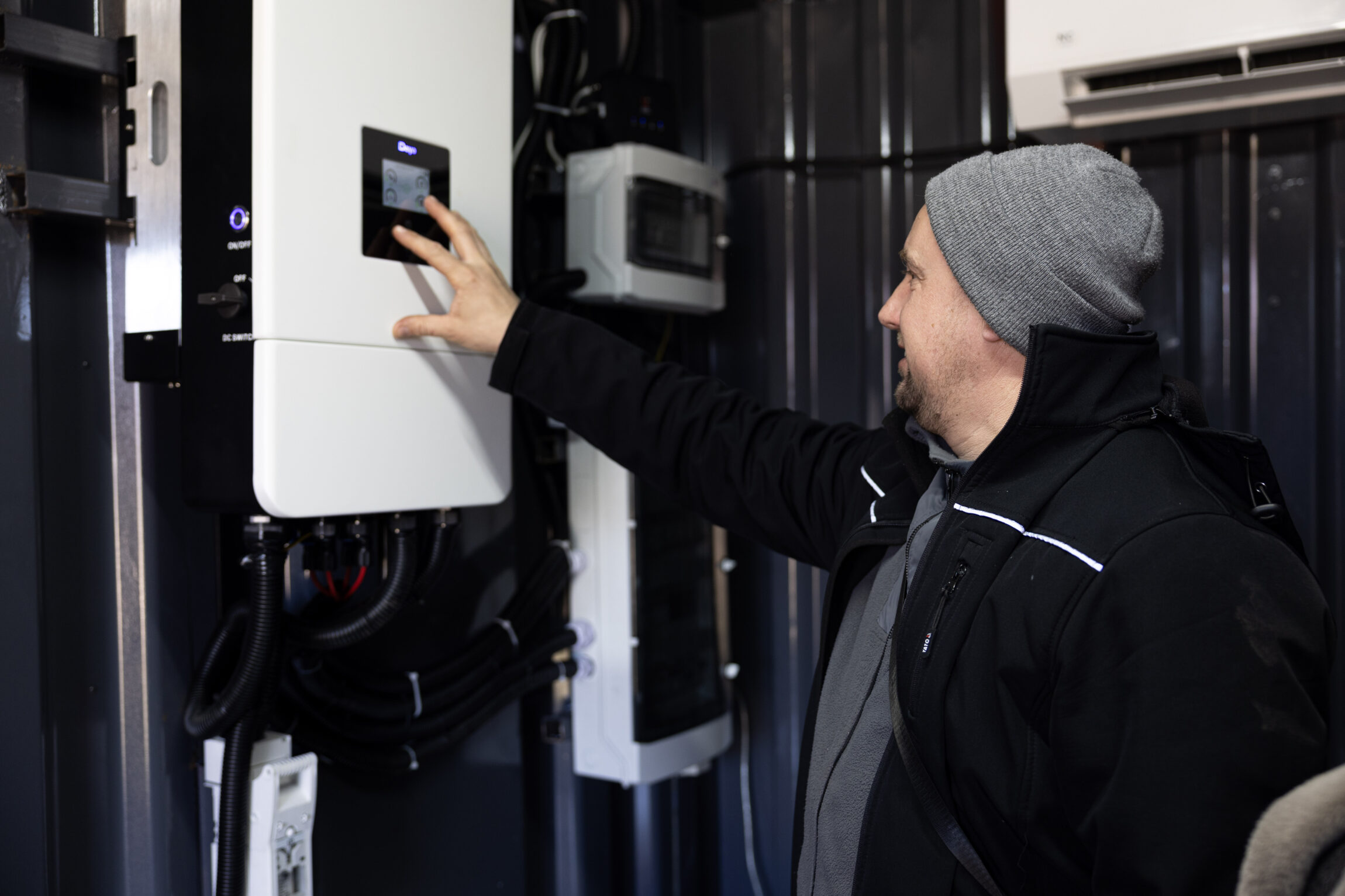
Today, the situation has fundamentally changed. Thanks to support from the DCA-NCA organization and funding from the European Union, seven solar power stations have been installed in the community to autonomously power the water boreholes.
For residents of a frontline zone, the absence of basic necessities is the hardest psychological blow. When the constant fear for one’s life is compounded by the inability to wash hands or do laundry, the strength to survive begins to fade.
“In 2022, it felt somewhat easier because we believed it would end soon. But as the full-scale invasion continues into its fifth year, being deprived of light and water makes you want to give up,”says Oksana Mykolaivna, a local resident.
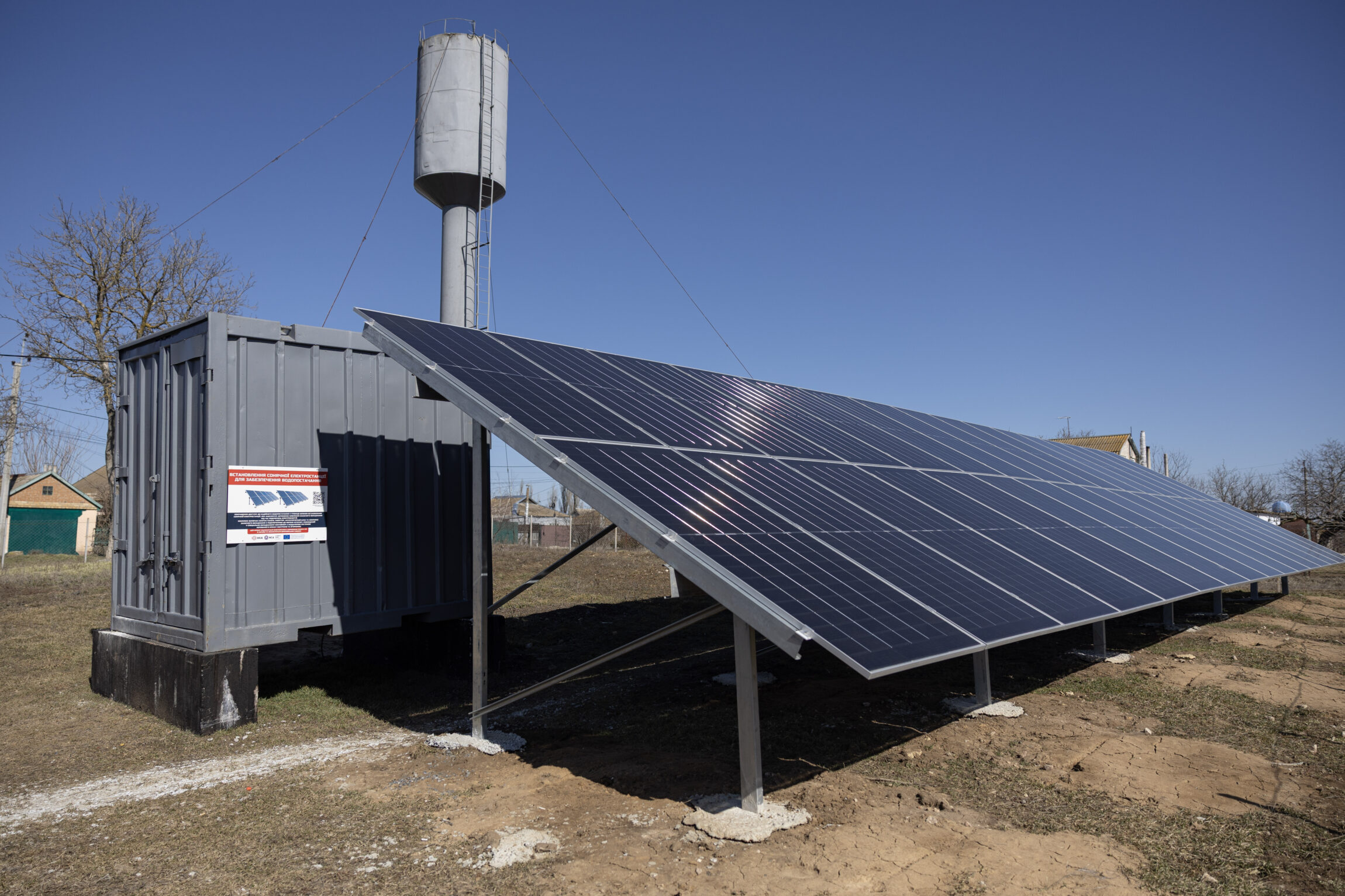
“Since the solar panels were installed, we finally have a constant water supply. It gives us the strength to keep going.”
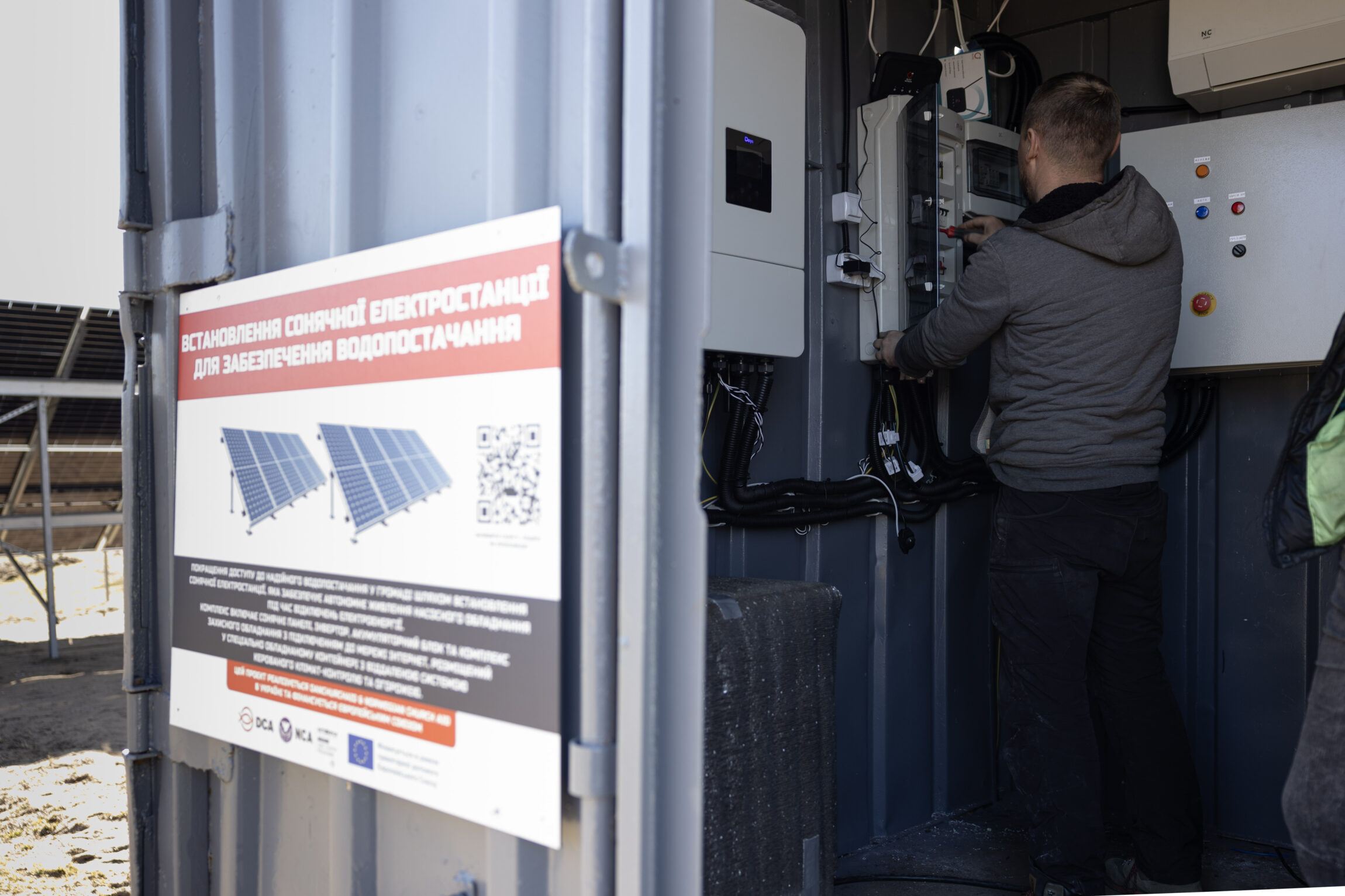
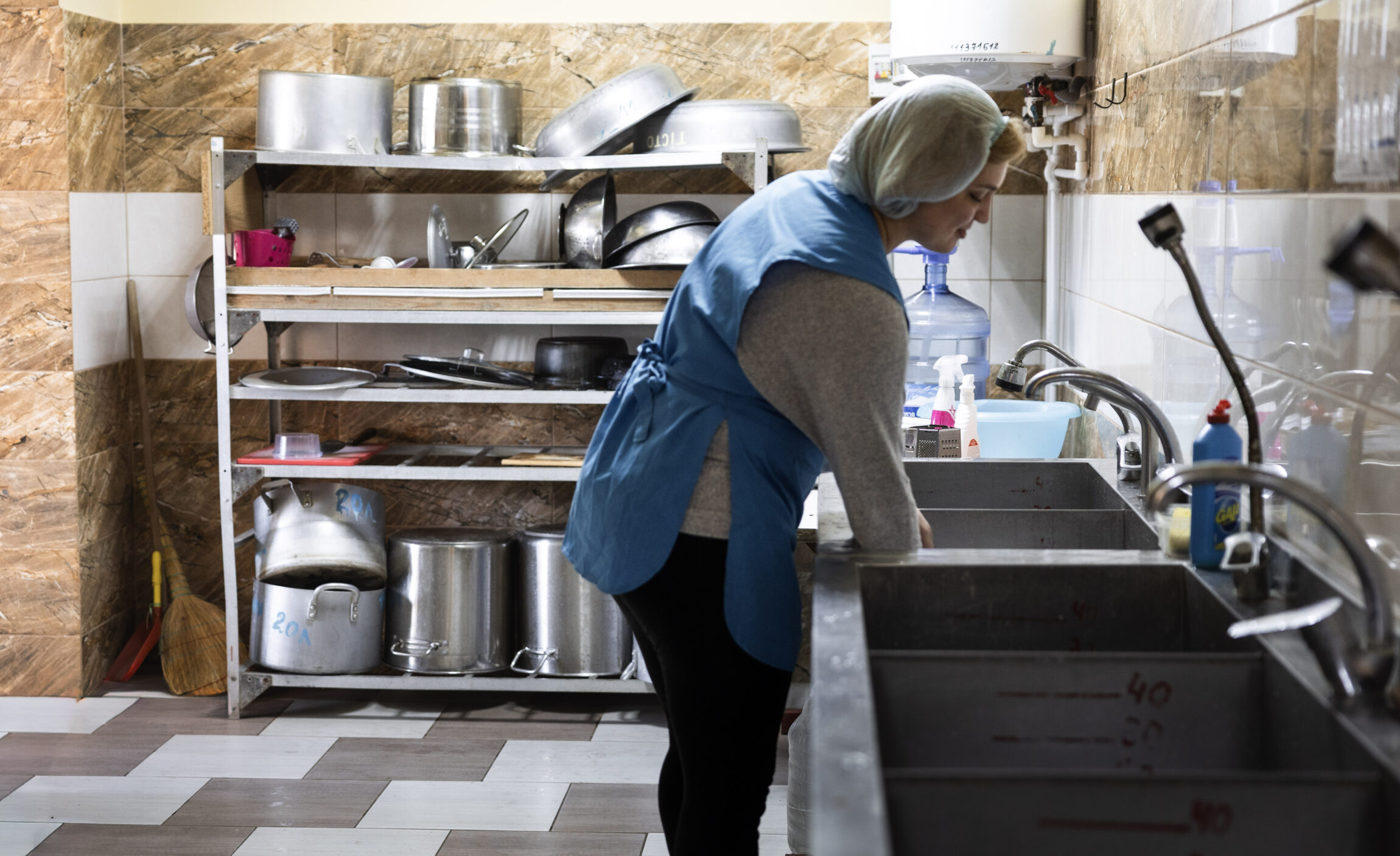
Water from these solar-powered boreholes now flows uninterrupted not only into residential homes but also into the hospital, kindergarten, and school.
Safety and Hygiene
For Tetiana Volodymyrivna, principal of the Halytsynove school, the availability of water is a matter of child safety.
“We cannot open the school doors if sanitary standards aren’t met—if the toilets or the canteen aren’t functioning. Yesterday was a very difficult day with many ‘Shahed’ drones flying over, but our children and staff know how to act. They have grown up too soon, but we are proud of them,”says the principal.
A local pediatrician shares this sentiment. For a medic, hygiene is the foundation of patient care. Being able to wash hands between appointments and keep the clinic clean without relying on stockpiled plastic bottles is what makes working in the outpatient clinic possible and safe.

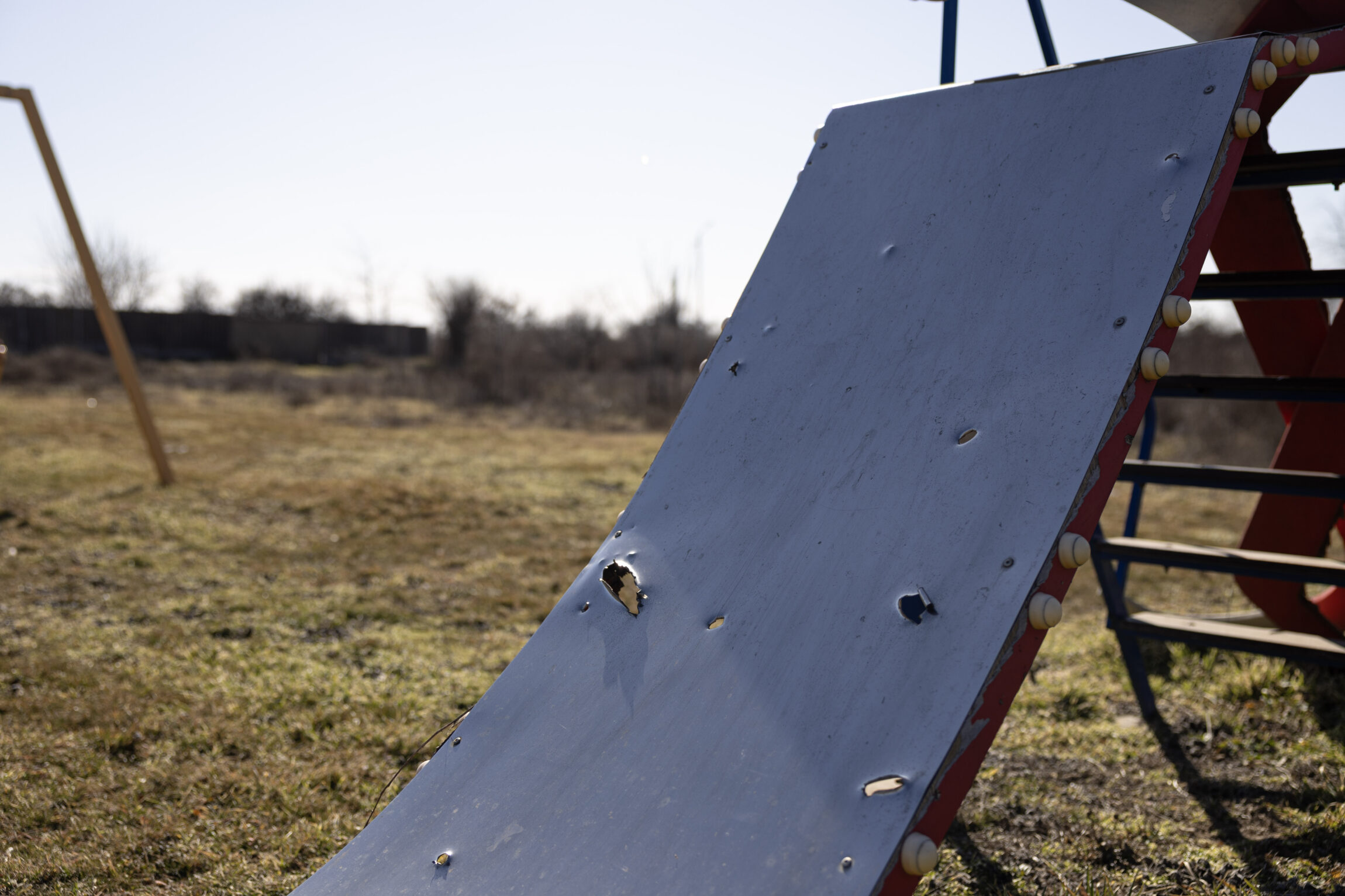
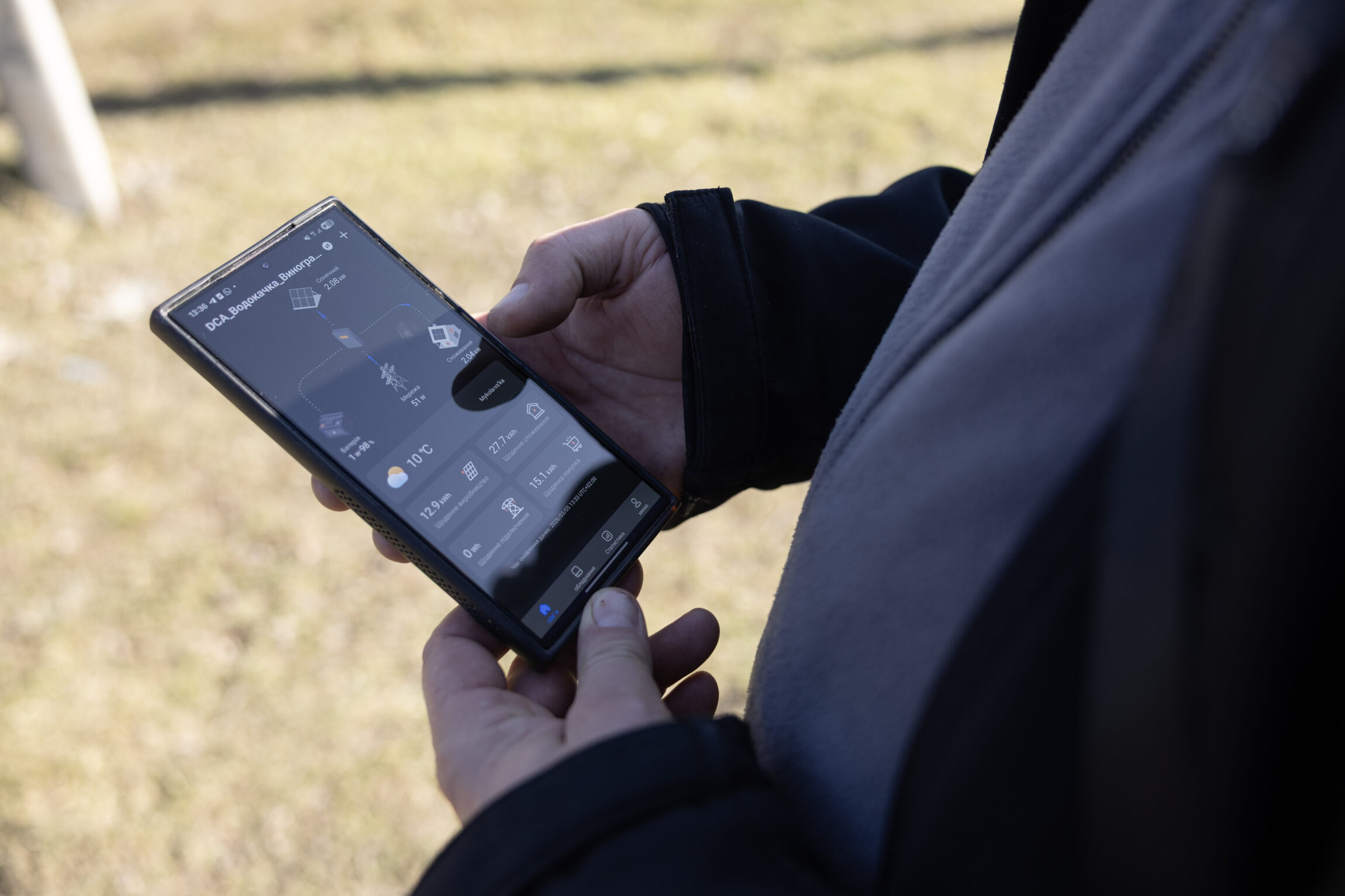
Using diesel generators was not only physically demanding but also economically inefficient. The system’s pump only turns on to fill the water tower; the rest of the time, the generator would run idle, wasting expensive fuel. In contrast, the solar station operates intelligently: it generates energy precisely when the pump is active, saving the community’s resources.
Today, these panels are more than just equipment. They are a guarantee that an elderly person won’t have to carry heavy water jugs and that a doctor’s office will remain clean. It is the confidence that helps the community hold on, despite the proximity of the enemy.
About the Project
The project “Winterizing Frontline Communities and Increasing Resilience” is aimed at supporting communities in Mykolaiv and Kherson Oblasts to ensure they have access to essential services during the winter months. The goal is to assist local communities in implementing projects that will improve infrastructure, enhance safety, and ensure access to critical services such as heating, water, and gas. Additionally, the project promotes the use of sustainable energy solutions like solar panels and trailers to provide energy independence. The project funded by the European Union.