

DCA-NCA Ukraine
Holding the small hands of her grandchildren on both sides, grandmother Olha walks into the yard. Together they check on the household — the chickens, rabbits, pigs, goats. Snizhana and Bohdanа are just two years old. When the family was fleeing shelling and war, the twins were still in their mother’s womb — Olha’s daughter.
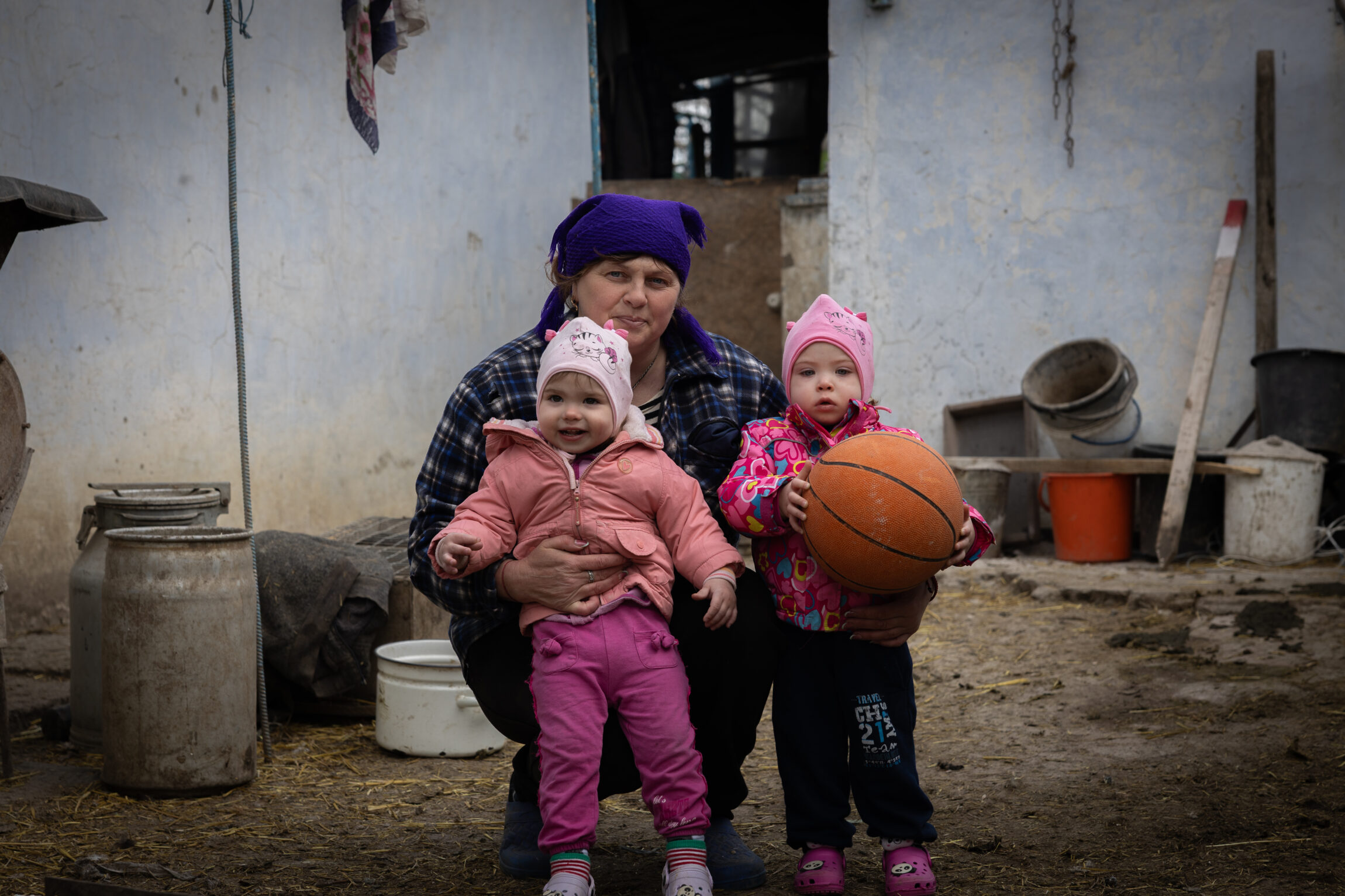
The family was forced to leave the village Tomarine in Kherson oblast under constant shelling. They had two homes there — Olha’s and her daughter’s — and leaving meant abandoning everything they had built over a lifetime. Still, they tried to save as much as possible.
“We were saving not only ourselves. We were saving our life — the animals, the household. Without it, we are nothing. This is our bread, our work, our entire life”.Olha says.
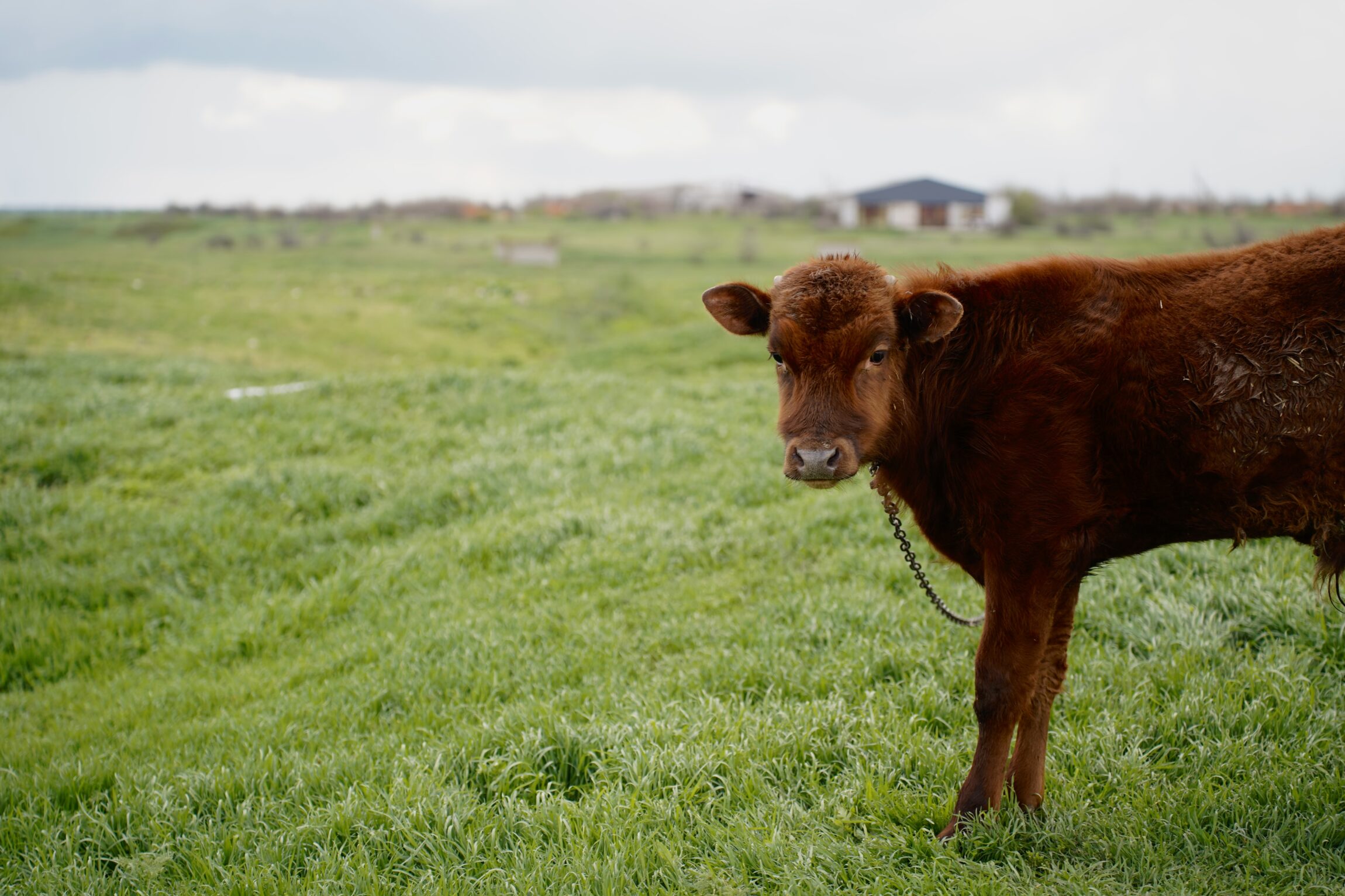
They hired a truck and evacuated under fire. Not all the animals could be saved — some ducks were killed during shelling. But they transported the cows, calves, chickens, pigs — and even their dogs and cats.
“We took everyone we could. The animals are part of the family. We caught the poultry at night because it was too dangerous during the day,” Olha recalls.
The family lived under occupation for eight months. Olha’s husband was taken for interrogations, cars were shot at, and there were direct hits near their home.
“The children already knew where to hide. As soon as the shelling started, they crawled under the table. That was our everyday life,”Olha says.
It was during this time that the family learned Olha’s daughter was pregnant with twins. The babies were born prematurely, followed by complications, surgery, hospital stays, and fear.
“I spent eight days in the hospital with the girls, while my son‑in‑law stayed home milking the cows. Even my older granddaughter had to learn how to cook — we all had to grow up very fast,” Olha says.
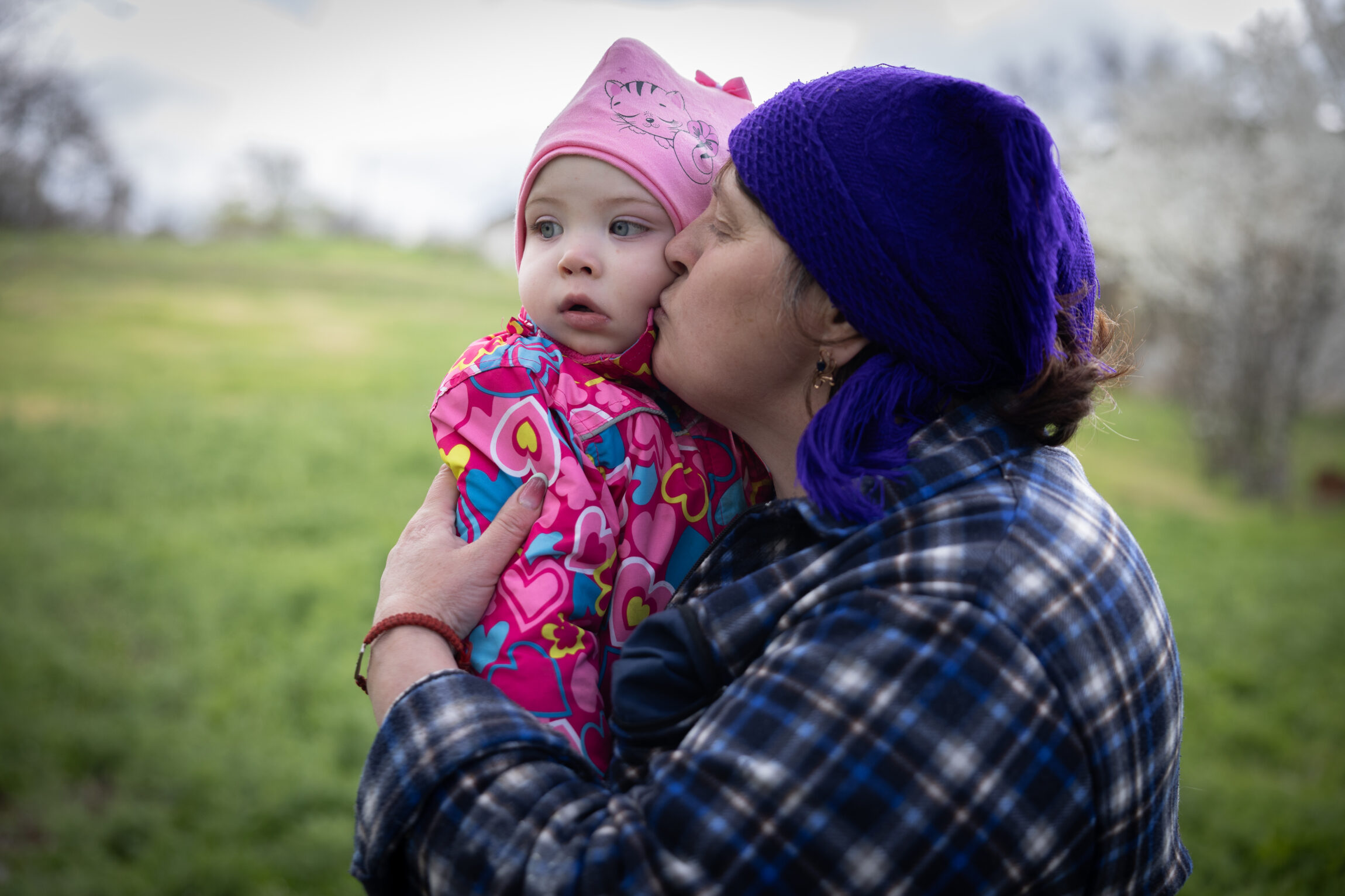
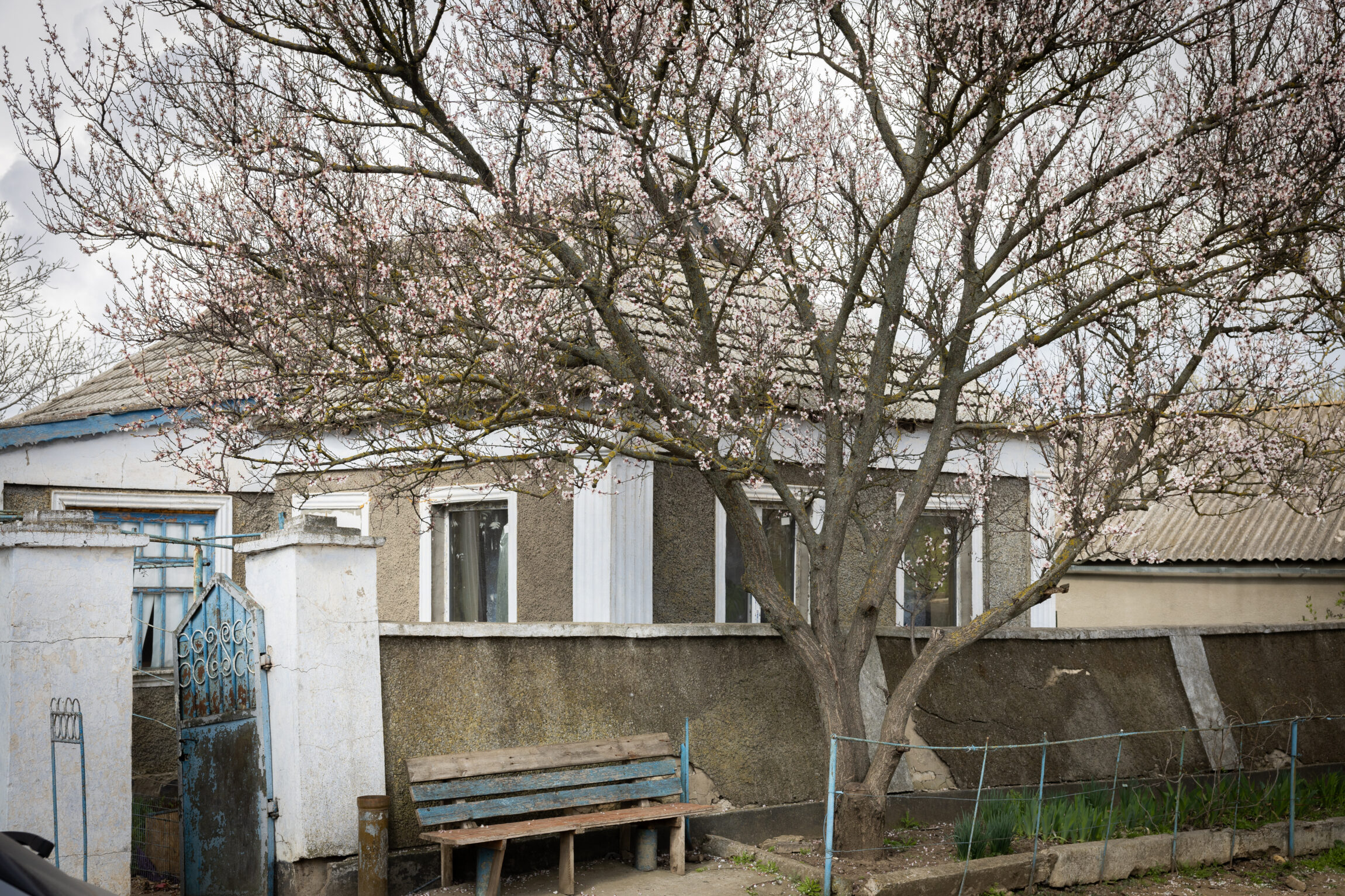
Today, the family lives in Pavlivka village in Mykolaiv oblast. They managed to buy an old house — and now both families live together under one roof, sharing responsibilities and supporting one another. Olha’s daughter works as a nurse at an educational institution in Bashtanka district, her son‑in‑law works in the fields, and Olha’s husband works at a fuel station on shifts.
The household remains the backbone of their survival. Milk and homemade cheese are not only food — they are the family’s main source of income.
“Without a cow, we cannot survive. We sell milk, we make cheese — this is how we live. This is our income,”Olha explains.
With support from DCA‑NCA in Ukraine, the family received 30,000 UAH (approximately $790) to restore their household. “We bought grain, beet pulp, salt, veterinary medicines — and most importantly, spare parts for the milking machine. It’s over ten years old, and without it I physically cannot cope. This is not a luxury — it’s our ability to work and earn,” Olha says.
Prices continue to rise, and the family had to add some of their own savings. Still, the support helped them keep the household running and protect their only source of income.
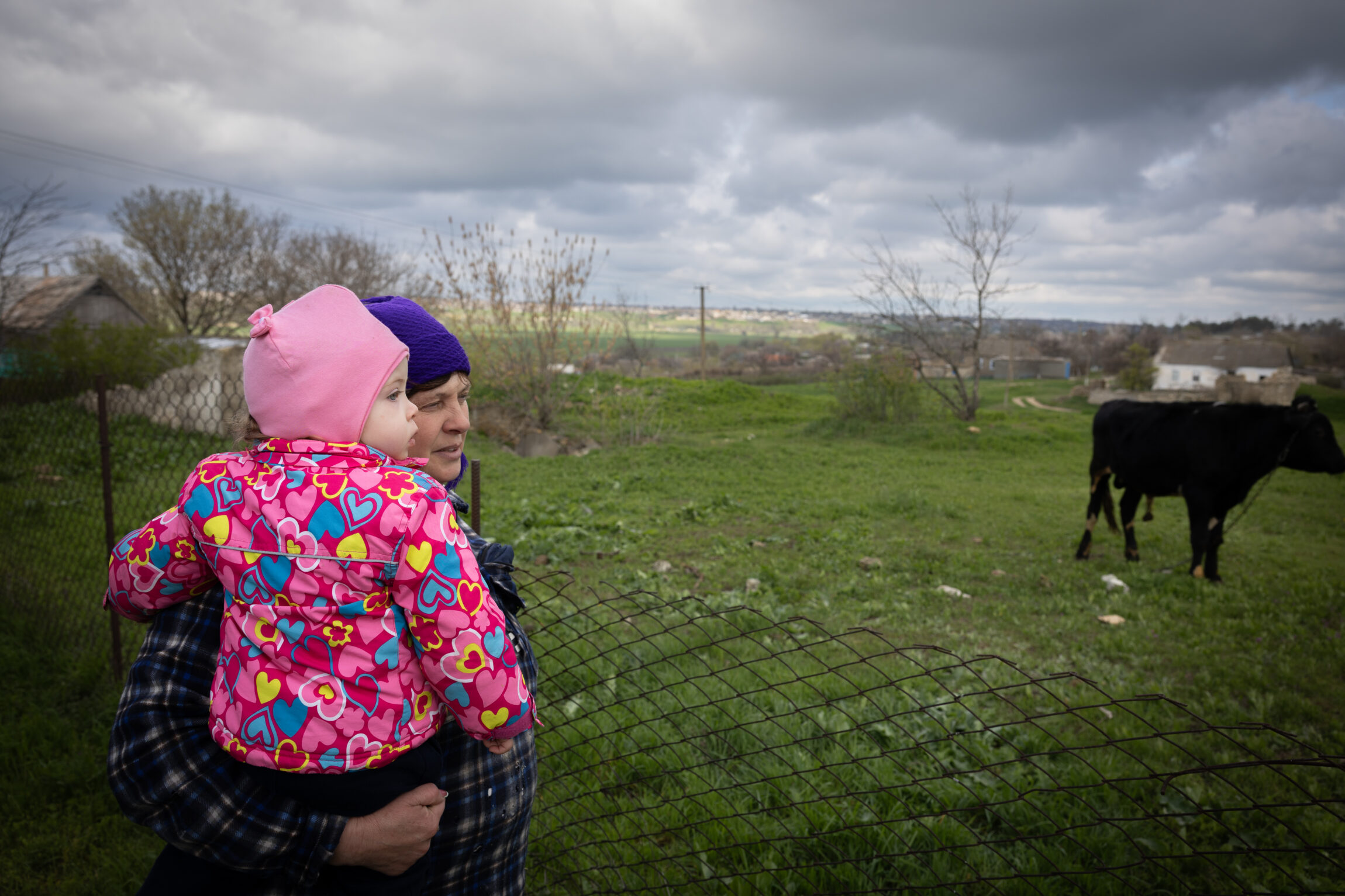
Their homes in Kherson oblast are damaged and uninhabitable, and the family has received no state compensation.
Standing nearby is Olha’s son‑in‑law — the father of the twins. He is constantly around, helping with the household and supporting the family as they rebuild their lives together. The house is small for two families, but being together matters more than space.
“I like it here. It’s quiet and peaceful, with beautiful views. Yes, it’s a bit crowded now, but we are all together — and when we are together, nothing feels scary anymore.”says Olha’s son‑in‑law.
For the family, living under one roof is not a burden but a source of strength — a way to face uncertainty together and protect their children.
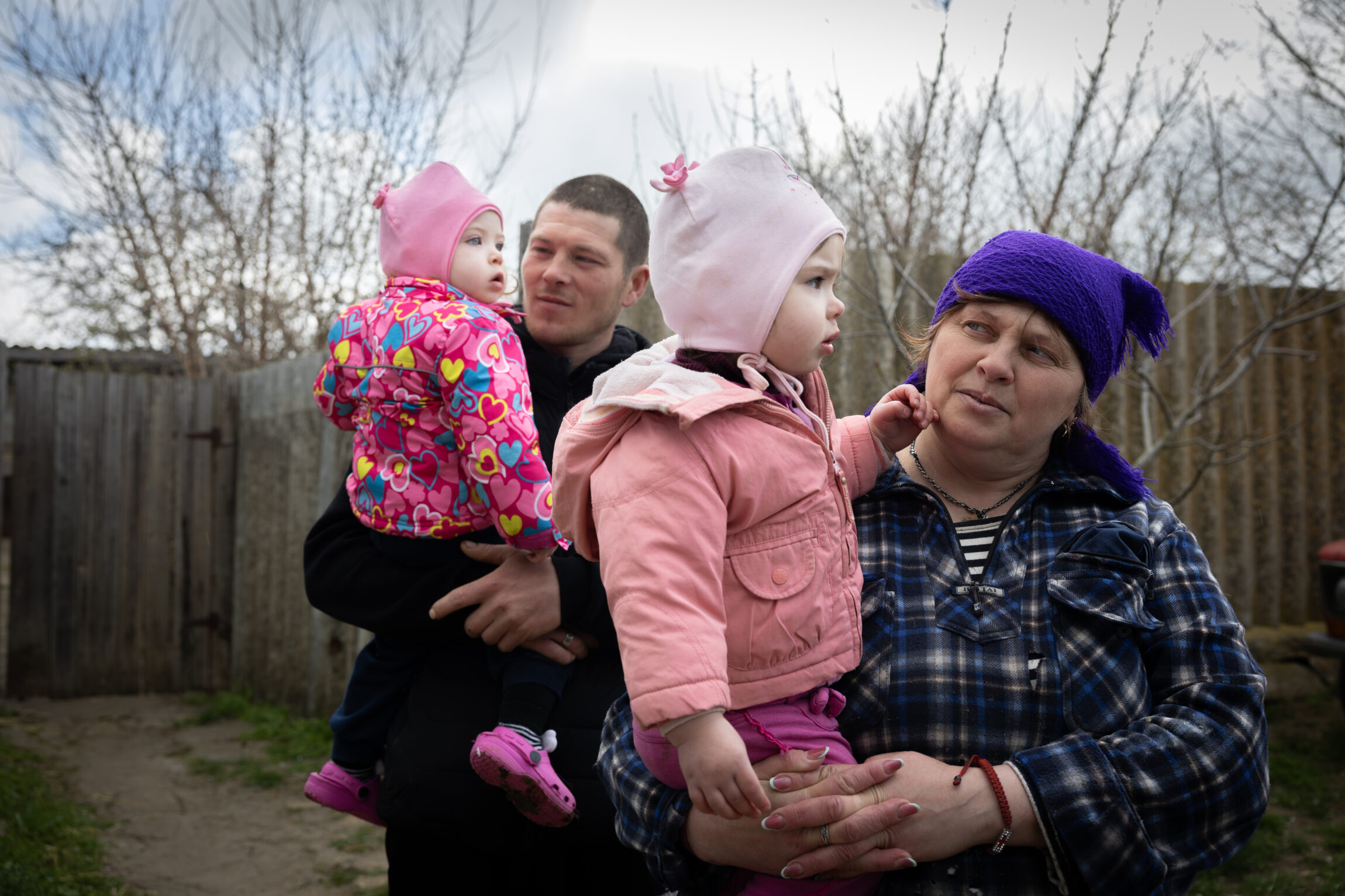
Here, in Pavlivka, children’s laughter fills the yard again. Olha watches Snizhana and Bohdana run around and says quietly:
“As long as there are children and there is a household, we will keep going — no matter how hard it is.”
About the project
Olha is one of 742 families in the Mykolaiv oblast who received assistance from DCA-NCA in Ukraine under the Winterization program. This initiative is aimed at supporting vulnerable households so they can survive the winter and maintain their way of life. The total amount of assistance for such families in the region exceeded 220,000 USD.
