
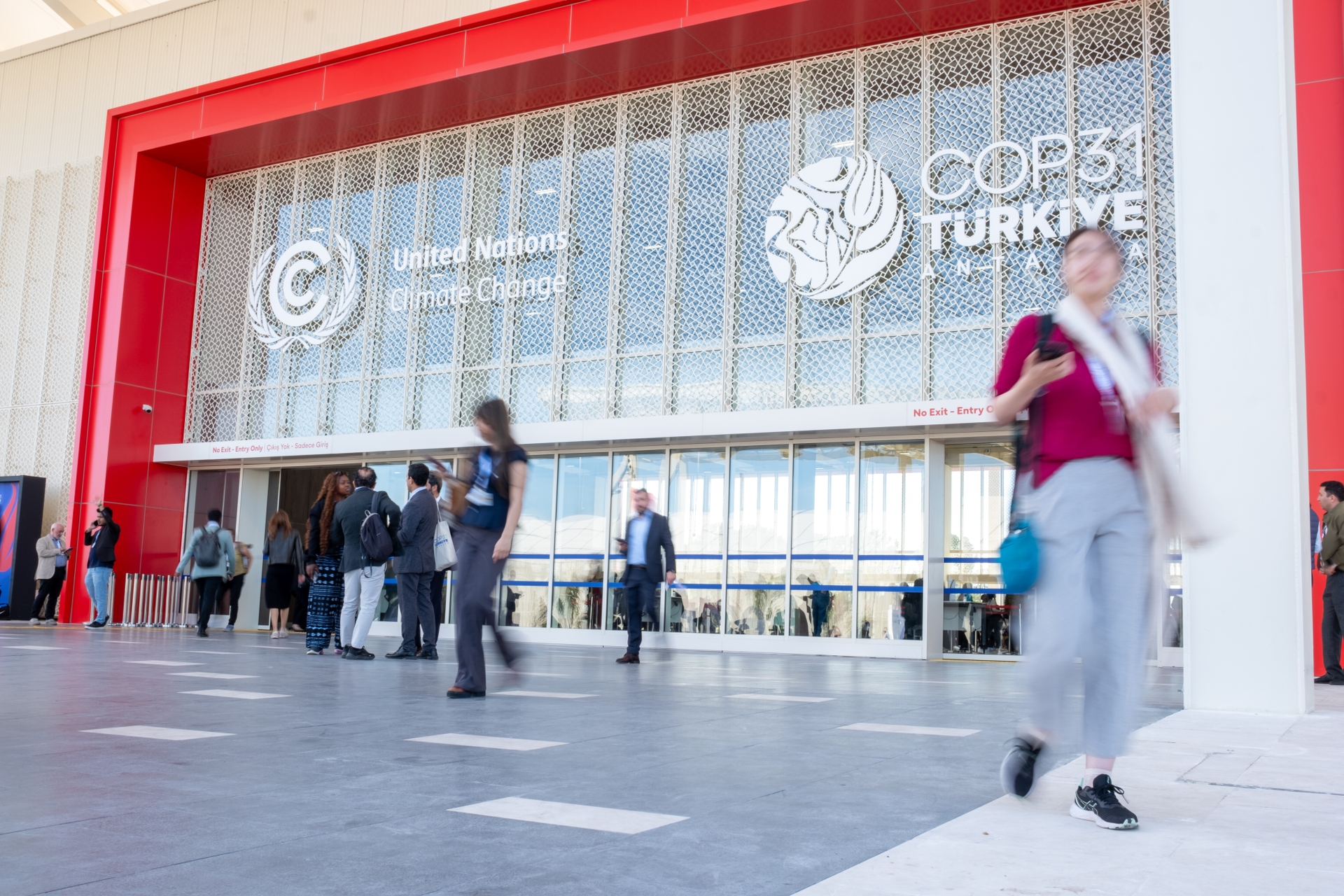
DanChurchAid calls for stronger links between science, local experiences and international climate negotiations, ahead of a COP31 research event bringing together experts from UNEP, universities and civil society.
ANTALYA, TÜRKIYE, 14 November 2026 – As governments negotiate how to address the growing impacts of climate change at COP31, DanChurchAid is calling for stronger use of scientific evidence and lessons learned from communities already experiencing climate-related loss and damage.
With global warming expected to exceed 1.5°C, the world is entering a new climate reality. Even with ambitious emissions reductions and adaptation efforts, some climate impacts can no longer be avoided.
Loss and damage is already affecting communities through destroyed homes, lost livelihoods and damaged infrastructure. But some losses are harder to measure, including cultural heritage, community identity and the loss of places people have called home for generations.
Mattias Söderberg, Global Climate Lead at DanChurchAid, comments:
“We are entering a new climate reality. Even with ambitious climate adaptation, we cannot avoid all losses and damages. For millions of vulnerable people, this is already part of everyday life. We need to learn from their experiences and ensure that international climate decisions respond to the challenges they actually face.”
Science must remain at the heart of climate negotiations
DanChurchAid stresses that scientific research is essential for understanding climate impacts, identifying effective responses and ensuring that international finance reaches those who need it most. However, research must also draw on experiences from the ground, including the perspectives of vulnerable communities and local organisations.
“Science has always been a cornerstone of international climate cooperation. It gives governments a shared understanding of the challenges they face. But research must not remain in academic publications. We need to connect scientific findings with local experiences and turn that knowledge into better political decisions and concrete action,” says Söderberg.
Research from the ground to the negotiating rooms
On Monday, 16 November, DanChurchAid, UNEP, Lund University and HelpAge International will host a COP31 side event bringing together researchers, practitioners, parties and civil society. The event will present research on climate-related loss and damage, including experiences from vulnerable communities, the particular challenges facing older people, lessons from existing loss and damage programmes, and how countries can strengthen their institutions to respond to climate impacts. The discussion will explore how these findings can inform international negotiations, climate finance and the implementation of loss and damage responses.
EVENT DETAILS
From Research to Results: What Negotiations Can Learn from Loss and Damage Research
Date: Monday, 16 November 2026
Time: 18:30–20:00 (Türkiye time, GMT+3)
Location: Side Event Room 2, COP31, Antalya, Türkiye
Format: In-person event and livestream
Organisers: DanChurchAid, Lund University and HelpAge International, with research contributions from UNEP Copenhagen Climate Centre, DIIS and other participating institutions.
Programme, research papers and livestream:
COP31 SIDE-EVENT: From research to results – DanChurchAid.org
Direct link to livestream:
What negotiations can learn from loss and damage research – YouTube
Journalists are welcome to follow the event in the room, or online and contact DanChurchAid for background information or interviews with participating researchers.
Media contact:
Mattias Söderberg
Global Climate Lead, DanChurchAid
msd@dca.dk
+45 29 70 06 09